A car battery is like the heartbeat of your vehicle—vital yet often taken for granted. Typically, it lasts between 3 to 5 years, but this duration can vary based on several factors. Understanding these nuances is essential if you want to avoid unexpected breakdowns. What influences battery performance and when should you consider a replacement? Uncovering these details can save you time and hassle down the road.
Key Takeaways
- Conventional lead-acid car batteries typically last about 3 to 5 years, depending on various factors.
- Factors affecting battery lifespan include temperature extremes, driving habits, and battery maintenance.
- AGM batteries often have a longer lifespan compared to standard lead-acid batteries.
- Regular maintenance, such as cleaning terminals and checking water levels, can extend battery life.
- Watch for signs of battery failure, like slow cranking or dim headlights, to determine replacement needs.
Average Lifespan of Car Batteries
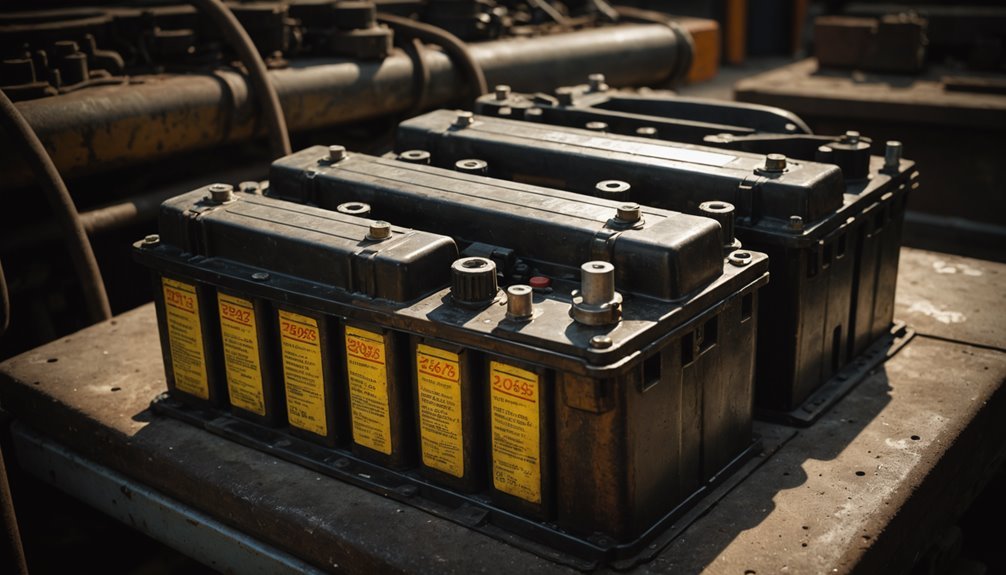
When considering how long a car battery typically lasts, it’s essential to understand several factors that influence its lifespan. On average, you can expect a conventional lead-acid car battery to last around three to five years. However, this general window varies depending on your driving habits, weather conditions, and maintenance practices.
In ideal conditions, batteries in moderate climates with regular use tend to reach their maximum lifespan. Conversely, extreme temperatures—both hot and cold—can accelerate deterioration, reducing longevity.You can learn about how-much-to-paint-a-car
You should also consider the type of battery; for instance, absorbed glass mat (AGM) batteries often last longer than standard ones. Regularly checking connections and charging systems mitigates unexpected failures. Consequently, while averages provide a baseline, your specific circumstances will ultimately determine how long your car battery serves you effectively.
Factors Impacting Battery Life
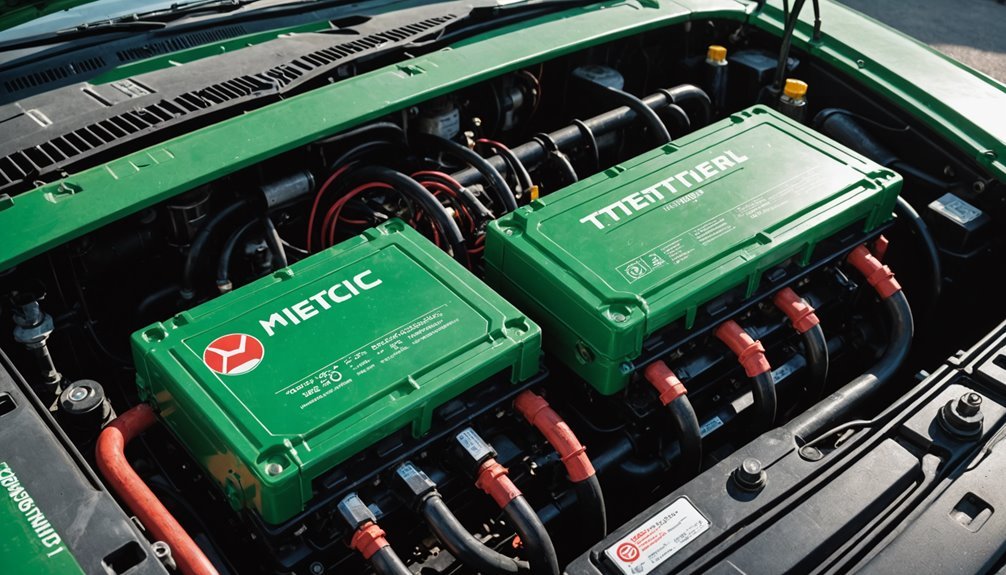
Although various elements can influence a car battery’s lifespan, understanding these factors is essential for maximizing its performance. Key elements impacting battery life include temperature, driving habits, and battery maintenance.You can learn about how-long-does-it-take-to-charge-an-electric-car
| Factor | Impact on Battery Life | Recommendations |
|---|---|---|
| Temperature | Extreme heat or cold shortens life | Keep your car in a temperature-controlled environment |
| Driving Habits | Frequent short trips increase discharge | Aim for longer drives to recharge fully |
| Battery Maintenance | Neglect leads to sulfation | Regularly check and clean terminals |
Signs Your Battery Is Failing
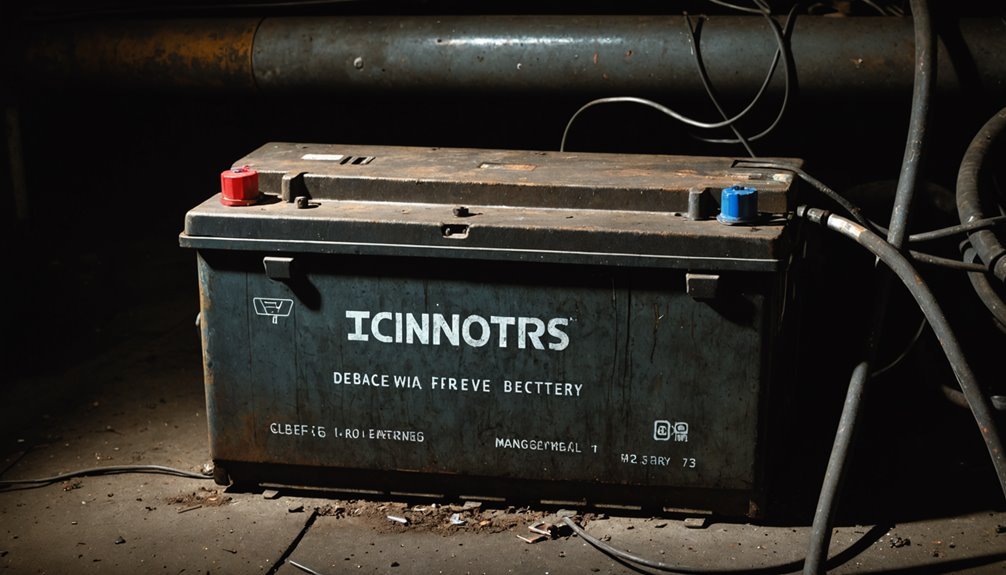
Recognizing the signs of a failing battery can save you from unexpected breakdowns and costly repairs. One primary indicator is slow engine cranking; if your engine hesitates before starting, your battery may struggle to hold a charge. Pay attention to dashboard warning lights—if the battery light illuminates, it signals potential issues that require immediate assessment. Weak headlights and dim interior lights further suggest a decline in battery performance, especially when brightness fluctuates while idling or driving.
Additionally, a swollen battery case or leakage suggests a serious problem. Corroded battery terminals can hinder connection and signal impending failure. Finally, consider the battery’s age; typical car batteries last between three to five years. If yours is nearing the end of this range and exhibiting any of these symptoms, it’s wise to test or replace the battery promptly. Ignoring these signs can compromise not only performance but also safety on the road.
Tips to Extend Your Battery’s Life
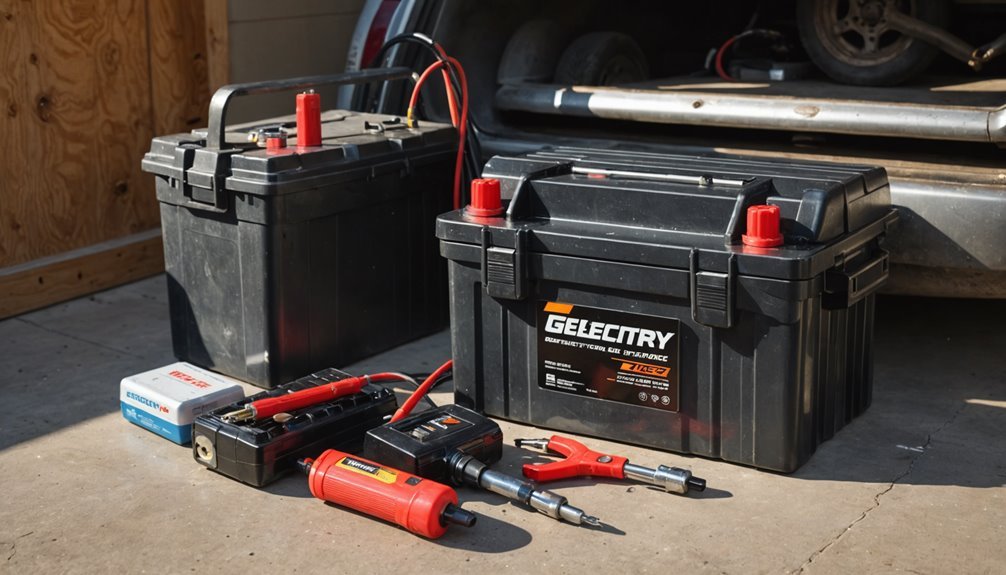
To guarantee your car battery lasts as long as possible, follow a few essential maintenance practices. First, keep the battery terminals clean and free from corrosion. Use a wire brush to remove buildup, ensuring a solid connection. Second, check the battery’s water level regularly if it’s a lead-acid type; maintaining the right level prevents overheating and damage. Third, minimize short trips; frequent short drives don’t allow the battery to fully recharge, leading to premature wear.
Additionally, avoid exposing the battery to extreme temperatures. If possible, park in a garage to shield it from heat and cold. Finally, test the battery’s health periodically using a multimeter or visit a professional. A fully charged battery maintains efficiency, so charge it regularly, especially if the vehicle sits unused for extended periods. Following these practices will help you maximize your battery’s lifespan and enhance its performance.You can learn about how-much-to-wrap-a-car
When to Replace Your Car Battery
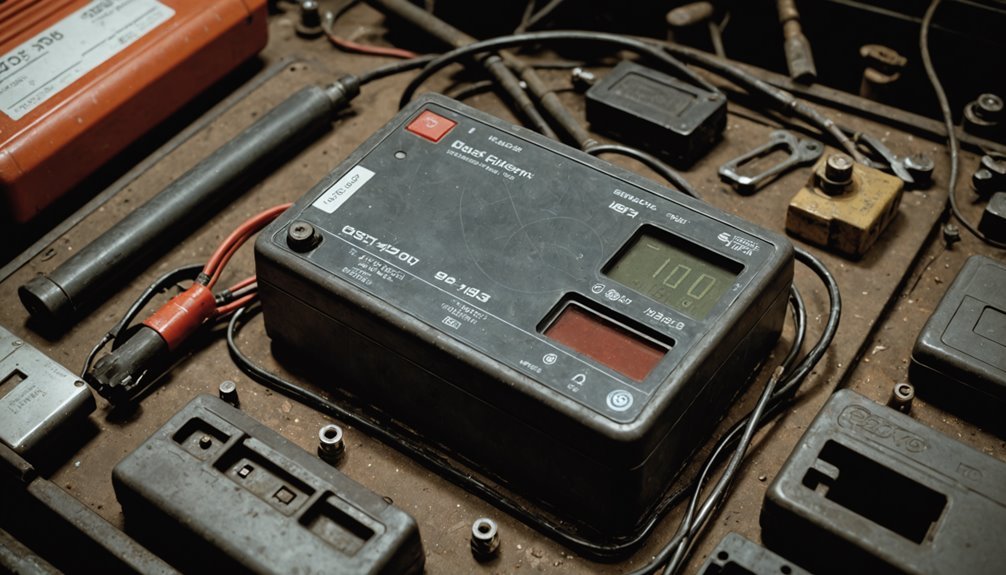
Knowing when to replace your car battery is essential for maintaining your vehicle’s reliability. Typically, a battery lasts between three to five years but can vary based on usage and climate. Monitor signs of battery degradation, such as slow engine cranking or dimming headlights. Regular inspections can help identify issues early.
Perform a voltage test using a multimeter; a reading below 12.4 volts signals a need for replacement. Additionally, pay attention to any corrosion around the terminals, as this can affect performance. If your battery is more than three years old and experiences frequent issues, it’s wise to replace it proactively.
Don’t wait for a complete failure, as this can leave you stranded. Schedule replacements during routine maintenance checks to guarantee ideal performance. By staying vigilant about your battery’s condition, you can prevent unexpected breakdowns and guarantee smooth vehicle operation.
Frequently Asked Questions
Can Extreme Temperatures Affect Battery Lifespan?
Yes, extreme temperatures can profoundly affect your battery’s lifespan. High heat causes increased evaporation of electrolytes, leading to a shorter lifespan, while extreme cold can slow down the chemical reactions necessary for starting your engine. You’ll notice diminished performance in both cases. To maximize your battery’s longevity, it’s essential to park in a garage, use a battery warmer in winter, and avoid long exposure to direct sunlight during hot months.
How Often Should I Test My Car Battery?
You might wonder, how can you guarantee your car battery’s reliability? It’s wise to test your battery at least twice a year, especially before extreme weather seasons. This proactive approach helps you identify any potential issues early. Keep an eye on performance symptoms like slow engine cranking, and always check after long periods of inactivity. Regular testing can save you from unexpected failures and extend your battery’s life markedly.You can learn about how-much-does-it-cost-to-wrap-a-car
What Is the Best Type of Car Battery?
The best type of car battery for you depends on your vehicle’s needs and your driving conditions. Generally, absorbent glass mat (AGM) batteries outperform traditional lead-acid batteries due to their superior lifespan and resistance to temperature extremes. If you regularly drive in extreme weather or require heavy electrical demand, opt for an AGM. Always consider your vehicle’s specifications and your usage patterns when selecting the ideal battery type for peak performance.
Can a Car Battery Be Recharged Indefinitely?
No, a car battery can’t be recharged indefinitely. Most lead-acid batteries have around 500 to 1,000 charge cycles before their capacity markedly declines. As you recharge a battery, internal chemical reactions occur, gradually reducing its efficiency. Over time, factors like temperature, usage, and age further impact the battery’s ability to hold a charge. To prolong its life, regular maintenance and using a high-quality charger can make a noticeable difference.
Do Batteries Lose Charge When Not in Use?
Yes, batteries do lose charge when not in use. This loss occurs due to self-discharge, a natural process where chemical reactions take place within the battery, even if it’s disconnected. Depending on the type of battery, this can happen at varying rates. For peak performance, you should regularly check and charge your battery, especially if it’s not in use for an extended period. Proper maintenance helps prolong its lifespan and reliability.