When you’re considering tinting your car windows, it’s important to understand the costs involved. Prices can vary widely based on factors like the type of film you choose and your vehicle’s size. Whether you opt for professional installation or a DIY project, each approach has its own advantages and drawbacks. Curious about how to navigate these options and make an informed choice? Let’s explore the details further.
Key Takeaways
- Professional window tinting costs typically range from $100 to $400, depending on film type and installation complexity.
- DIY window tinting can cost between $50 and $200, plus additional tools which may add another $30 to $100.
- The type of film selected, such as dyed, metallic, or ceramic, significantly impacts the overall cost.
- Local regulations on tint percentages can lead to fines; be aware of your area’s laws before deciding.
- Consider the size and number of your windows, as they affect the total tinting cost.
Understanding Window Tinting Options
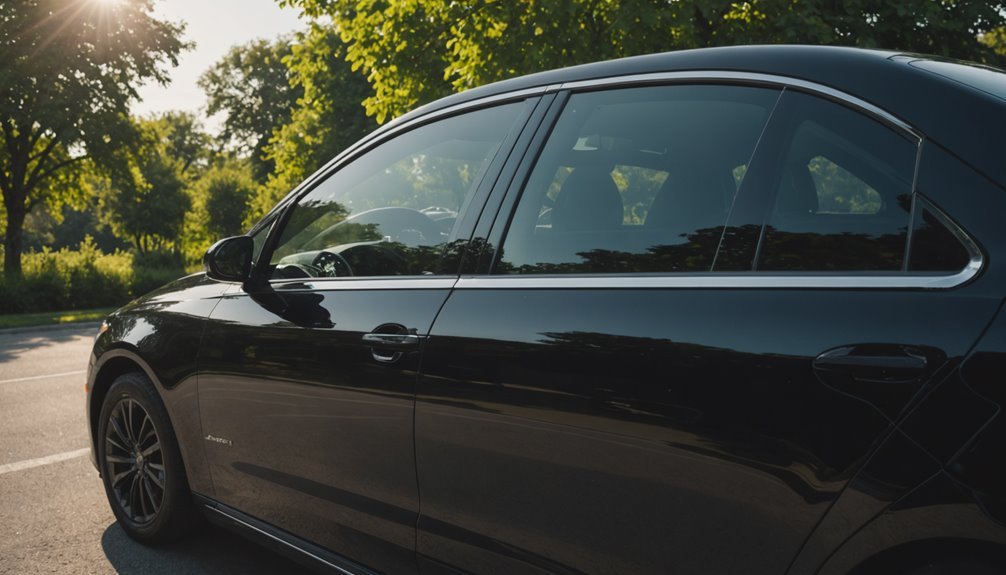
When considering window tinting options, it’s essential to understand the different types available, as each serves unique purposes. You’ll find various tinting materials, such as dyed, metallic, and ceramic films. Dyed tints are popular for their affordability and aesthetic appeal, providing decent UV protection but less heat rejection. Metallic tints contain metal particles that reflect heat, offering better insulation but potentially interfering with electronic devices.
Ceramic films stand out for their high performance; they block UV rays and heat without blocking signals. They’re more expensive but offer long-lasting durability. Each type varies in darkness levels, so you can choose a shade that fits your style and legal limits in your area. Remember, some states have specific regulations about tint percentages for different windows. Evaluating the pros and cons of each option will help you make an informed decision that suits your needs.
Factors Affecting Window Tinting Costs
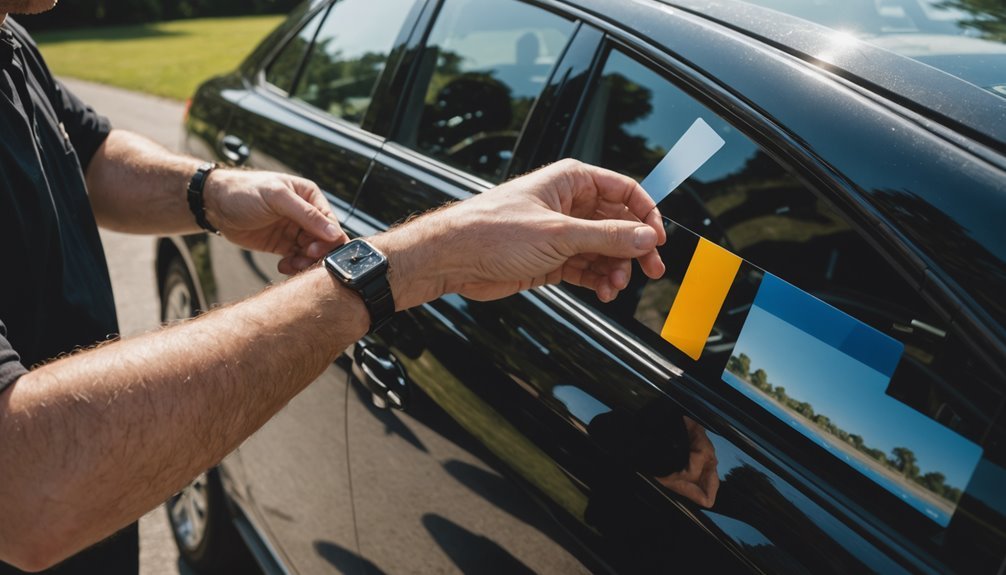
Choosing the right window tint isn’t just about aesthetics and functionality; it also influences your overall costs. Several factors determine how much you’ll spend on window tinting. First, the size and number of windows you want tinted play a significant role. Larger vehicles or multiple windows naturally require more materials and labor, increasing your total expense.
Next, the tinting method you choose impacts costs. Professional installation is usually pricier than DIY approaches, but it can guarantee better results. Also, the quality of the film you select matters; higher-quality tints tend to come with a heftier price tag due to their durability and performance.
Lastly, local regulations concerning tint darkness can affect your choices, and fines for non-compliance can raise your overall costs. Being aware of these factors allows you to budget effectively and make informed decisions about your window tinting project.
Types of Window Tint Films
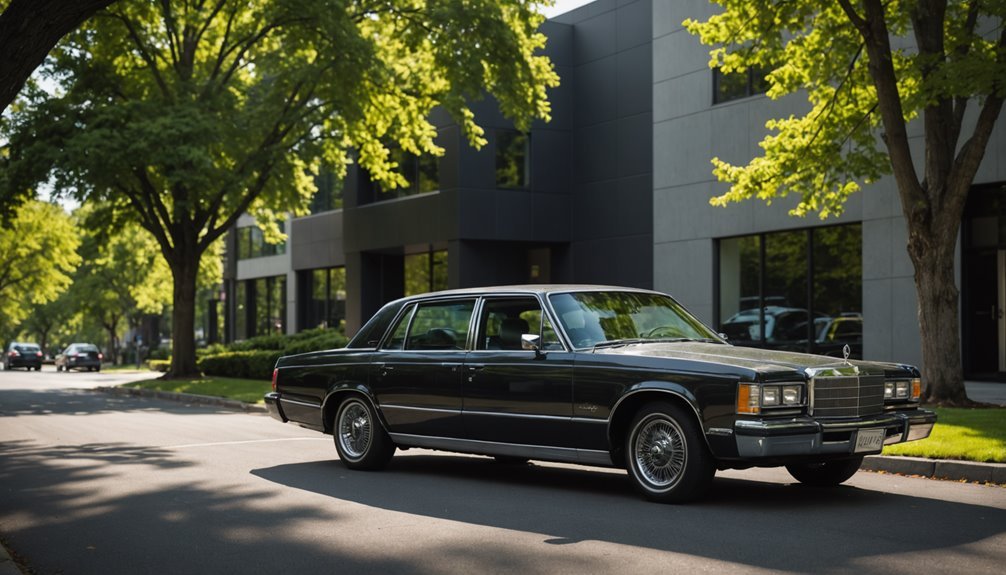
While you might be focused on the aesthetic appeal of window tinting, understanding the different types of window tint films can greatly enhance your decision-making process. There are several options available, each with its unique benefits.
First up, there’s dyed window film. This affordable option absorbs solar energy, reducing glare and providing privacy. Next, you have metalized films. These contain metal particles that reflect heat and strengthen your windows, but they may interfere with cell signals.
Ceramic films are a premium choice; they offer exceptional heat rejection without blocking signals or altering the appearance drastically. Finally, carbon films provide a good balance of cost and performance, blocking UV rays while maintaining a sleek look.
Price Range for Professional Tinting
Investing in professional window tinting can vary considerably in cost, typically ranging from $100 to $400 per vehicle. The price you pay depends on several factors, including the type of film you choose, your vehicle’s size, and the complexity of the installation. For instance, basic dyed films usually cost less, while high-performance ceramic or hybrid options can push your expenses higher due to their advanced features.
Additionally, consider labor costs, which can differ based on your location and the reputation of the installer. Some shops offer packages that include warranty coverage, which might affect the overall price. As you evaluate your options, think about the long-term benefits of high-quality tinting, such as heat reduction and UV protection. By weighing these aspects, you can better decide on a tinting solution that fits both your budget and your needs.
DIY Tinting: Costs and Considerations
If you’re considering tinting your car windows yourself, it’s essential to weigh the costs and benefits carefully. DIY window tinting can save you money, but you need to factor in the purchase of materials, which typically range from $50 to $200, depending on the film quality and size. You’ll also need tools like a squeegee, utility knife, and heat gun, adding another $30 to $100.
While the cost may be appealing, consider the time and skill required. Tinting windows isn’t just a matter of applying film; it involves meticulous measuring and precise cutting. Mistakes can lead to bubbles, peeling, or even damage to the glass, costing you more in the long run. If you’re not confident in your abilities, you might end up wishing you’d opted for professional help instead. Carefully weigh your budget against your skills to make the best decision.
Additional Costs to Consider
When it comes to tinting your car windows, additional costs often arise that can impact your overall budget. It’s essential to be aware of these expenses so you can plan accordingly. Below is a table highlighting some common additional costs you might encounter:
| Cost Item | Estimated Cost |
|---|---|
| Professional Installation | $100 – $300 |
| Removal of Old Tint | $50 – $150 |
| Tint Upgrade (Premium Film) | $50 – $200 |
| Warranty Extension | $30 – $100 |
| Tax and Fees | Varies by Location |
These extras can add up quickly, so it’s wise to factor them into your initial budget. By doing your research and being prepared, you’ll avoid any financial surprises once you commit to tinting your windows.
Legal Regulations and Restrictions
Before you proceed with tinting your car windows, it’s essential to understand the legal regulations and restrictions in your area. Different states have varying laws regarding the allowable tint percentage on front, side, and rear windows. Typically, the front windshield allows only a certain level of tint, usually like 25% or higher, while rear windows often have more flexibility.
You should also take note of the tint’s reflectivity; some places restrict how reflective your windows can be. Not adhering to these regulations can result in fines and might require you to remove the tint.
To avoid issues, check your state or local government’s regulations on window tinting. You might also consult a professional installer who knows the laws in your area. Being informed guarantees you’re compliant and drives safely without risking penalties.
Maintaining Your Tinted Windows
Although window tint can enhance the look of your vehicle and provide various benefits, maintaining your tinted windows requires attention to detail to guarantee longevity and performance. First, avoid using ammonia-based cleaners, as they can damage the tint. Instead, opt for a gentle, tint-safe cleaner or a simple mixture of soap and water. When cleaning, use a soft microfiber cloth to prevent scratches.
Be mindful of how you roll down your windows. It’s best to wait at least 48 hours after installation before doing so, allowing the tint to bond properly. Avoid using rough materials or gritty substances when cleaning to preserve the tint’s integrity.
Lastly, park in shaded areas when possible to prolong the tint’s color and effectiveness against UV rays. By following these tips, you’ll keep your tinted windows looking sharp while enjoying the benefits for years to come.
Frequently Asked Questions
Can Window Tinting Reduce Glare While Driving?
Window tinting’s like wearing sunglasses for your car, drastically cutting down glare while you drive. It helps you see the road clearly, even on the sunniest days, turning that blinding light into a gentle glow. Plus, it can reduce eye strain on long trips, letting you focus on the journey ahead. With tinted windows, you’ll enjoy a safer, more comfortable ride—like riding in style while staying sharp-eyed on the road!
How Long Does Window Tint Installation Usually Take?
Window tint installation usually takes between 2 to 4 hours, depending on the size of your vehicle and the complexity of the job. If you’re having professional tinting done, the technician will carefully clean the windows and apply the film. You might want to factor in a bit of drying time afterward, too. You’ll be able to drive your car again soon, enjoying the benefits of reduced glare and increased privacy.
Will Tinted Windows Interfere With My Car’s Electronics?
Tinted windows won’t typically tangle with your car’s electronics. Most modern films are designed not to disrupt signals, ensuring you stay connected without concern. You shouldn’t see any significant issues with radio reception, GPS, or other tech features. Just make sure to choose quality tint and have it professionally applied! Enjoy the stylish shade while safeguarding your interior from UV rays and heat without worrying about electronic interference.
Can I Remove Window Tint Myself if Needed?
Yes, you can remove window tint yourself if needed. Start by heating the tint with a hairdryer to loosen the adhesive. Carefully peel it away, using a scraper for any stubborn bits. If you face difficulty, applying steam can help. Clean any residue with a suitable adhesive remover afterward. Just make sure to work slowly to avoid damaging the window. With a bit of patience, you’ll have clear glass in no time.
Does Window Tinting Affect My Car’s Resale Value?
Yes, window tinting can affect your car’s resale value. If done professionally and in compliance with local laws, it often enhances perceived value by improving aesthetics and reducing interior wear. However, if the tint’s application is poor or violates regulations, it may turn off potential buyers. You should consider your target market; some buyers appreciate tinted windows, while others might prefer clear glass. Balancing these factors is key when deciding to tint.