
Did you know that urgent care visits can cost you anywhere from $100 to $300 if you’re uninsured? This range largely depends on factors like your location and the specific services you need. Understanding these costs is essential before your visit, as unwelcome surprises could strain your budget. So, what can you expect and how can you prepare effectively for such expenses?
Key Takeaways
- Urgent care visits typically cost between $100 to $300 for uninsured patients, depending on services rendered.
- Basic consultations usually range from $100 to $150; additional services increase overall expenses.
- X-rays may cost between $150 to $300, while lab tests range from $50 to $150 each.
- Pricing can vary based on location, time of day, and type of provider.
- Confirm payment options upfront, as full payment is often required at the time of service.
Understanding Urgent Care Pricing

When you need urgent care, understanding how pricing works can save you money and reduce stress. Urgent care facilities typically use a fee-for-service model, meaning you’ll pay for the specific services rendered rather than a flat fee. By knowing this, you can anticipate costs based on the treatment you might need, such as consultations, procedures, and medications.
Additionally, it’s essential to ask about any potential extra charges beforehand. Some clinics might have facility fees that increase the total cost. You should also inquire about discounted rates for self-pay patients, as many centers offer lower prices for those without insurance.
Moreover, understanding the difference between urgent care and emergency room services can further impact your expenses. By being proactive about these details, you can make more informed decisions during your time of need, encouraging a smoother, stress-free experience.
Typical Costs of an Urgent Care Visit
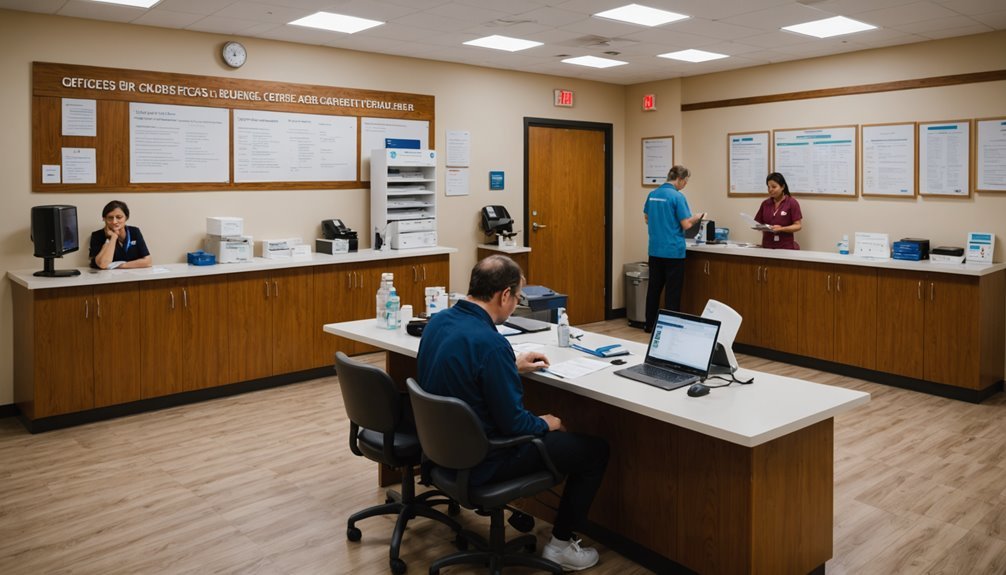
While costs can vary based on location and the services provided, a typical urgent care visit generally ranges from $100 to $300 for patients without insurance. Knowing what you might expect to spend can help you prepare financially. Here’s a quick breakdown of common urgent care costs:
| Service Type | Estimated Cost Range |
|---|---|
| Basic Consultation | $100 – $150 |
| X-rays and Imaging | $150 – $300 |
| Lab Tests | $50 – $150 |
These costs may change depending on the facility and specific treatments needed. If you require additional services, such as stitches or fractures, fees will increase. It’s always best to call the urgent care center beforehand to get an idea of what your specific visit might cost. Understanding these typical costs can help alleviate some financial stress during a medical emergency.
Factors That Influence Urgent Care Costs

Several factors can greatly influence the costs of urgent care services, especially if you’re paying out of pocket. Your location plays a significant role; urban facilities often charge higher rates than those in rural areas. Additionally, the time of day can affect prices, with evening or weekend visits typically being more expensive.
The specific services you need also matter. A basic consultation may cost less than a visit that requires diagnostic tests or specialized treatment. Some urgent care centers might have different pricing structures, based on their facility’s overhead or equipment.
Lastly, the type of provider you see—like a nurse practitioner versus a physician—might impact the costs as well. By being aware of these factors, you can better navigate the costs associated with urgent care, making informed decisions that suit your budget and healthcare needs.
Common Services and Their Prices
Urgent care centers provide a variety of services, each with their own associated costs. Understanding these can help you prepare for potential expenses you might face during your visit. Here’s a breakdown of common services and their typical prices:
- Basic exam: $100-$200
- X-rays: $100-$300
- Stitches: $150-$400
- Lab tests: $50-$200 per test
These services can greatly vary based on location and the specific urgent care facility. For instance, a basic exam might be pricier in urban areas, while rural centers could offer competitive rates. Knowing these costs ahead of your visit can alleviate anxiety, ensuring you receive necessary medical attention without financial surprises later on. By being informed, you can navigate your urgent care experience with confidence and peace of mind, prioritizing your health without getting overwhelmed by costs.
How to Prepare for an Urgent Care Visit
Preparing for an urgent care visit can make a significant difference in your overall experience and efficiency of care. Before you go, gather any relevant medical records, including allergies, medications, and past treatments. This information helps healthcare providers make informed decisions promptly. Additionally, bring a valid form of identification and any necessary payment methods, such as cash or a credit card, since you’re visiting without insurance.
It’s also wise to jot down your symptoms and questions beforehand. This guarantees you cover all your concerns during the appointment. Consider the time of day you visit, as wait times may vary; arriving early can reduce delays. Finally, if you’re feeling particularly unwell, have a friend or family member accompany you for support. By taking these steps, you’ll enhance your urgent care experience and contribute to more effective treatment.
Payment Options for Uninsured Patients
Once you arrive at urgent care and receive treatment, you’ll need to navigate payment options if you’re uninsured. Understanding your financial responsibilities can be overwhelming, but knowing your choices can help ease the stress. Many urgent care facilities offer various payment options for uninsured patients, including:
- Paying upfront: Many centers require full payment at the time of service, which could help you avoid additional charges.
- Sliding scale fees: Some facilities provide reduced rates based on your income or financial situation.
- Payment plans: You might have the option to set up a payment plan, allowing you to pay in installments.
- Credit card payments: Using a credit card can be a convenient way to cover your expenses, but be mindful of interest rates.
Take time to ask about these options so you can make an informed decision about your urgent care expenses.
Tips for Reducing Urgent Care Expenses
How can you keep your urgent care costs manageable? Here are some practical tips to help you minimize expenses when seeking urgent care without insurance.
| Tip | Details |
|---|---|
| Research Prices | Call ahead to compare prices at different urgent care centers. |
| Use a Health Savings Account (HSA) | If you’ve access to one, this can reduce your out-of-pocket costs. |
| Negotiate Bill | Don’t hesitate to ask for a discount or a payment plan if the bill is high. |
When to Seek Alternative Care Options
When should you consider alternative care options instead of rushing to urgent care? It’s vital to evaluate your situation carefully. If your symptoms are mild or chronic, you might not need urgent care. Here are some signs to look for:
- You have a common cold or minor flu symptoms.
- Your injury is a small cut or bruise that can be treated at home.
- The issue has been persistent and doesn’t require immediate medical intervention.
- You’re looking for a routine check-up or preventive care.
In these situations, visiting a primary care physician or exploring telehealth options could save you time and money. Alternative care methods often offer personalized approaches and can alleviate long-term issues. By being strategic about your healthcare choices, you can ascertain you’re getting the best care for your specific needs without incurring unnecessary costs. Knowing when to seek alternatives can be a game-changer for your health and finances.
Frequently Asked Questions
Can I Get a Prescription After My Urgent Care Visit?
Yes, you can get a prescription after your urgent care visit. When you see the healthcare provider, they’ll assess your condition and determine if medication is necessary. If they find that a prescription is warranted, they’ll write one for you. Remember to ask any questions about the medication, such as dosage and possible side effects. Always follow up with your primary care physician if needed, especially for ongoing health issues.
How Do Urgent Care Facilities Handle Emergencies?
Urgent care facilities juggle emergencies like a seasoned circus performer, but don’t expect a lion-tamer’s precision. They’re designed for non-life-threatening conditions—think sprains, fevers, or minor cuts. When a true emergency strikes, like chest pain or severe bleeding, they might redirect you to a hospital’s ER faster than you can say “urgent care.” So, while they’re handy for quick fixes, keep the big emergencies for the pros at the hospitals!
What Identification Do I Need for an Urgent Care Visit?
For an urgent care visit, you typically need a government-issued photo ID, like a driver’s license or passport. Some facilities may also ask for your insurance card (even if you’re uninsured) to collect necessary information. It’s a good idea to bring a list of medications you’re taking and any relevant medical history. Having these documents ready can streamline the process and help the healthcare providers give you the best possible care.
Are Payment Plans Available for Urgent Care Services?
Yes, payment plans are often available for urgent care services. Many facilities understand that medical expenses can be challenging, so they typically offer flexible payment options. It’s important to inquire directly with the urgent care center before your visit. They’ll explain the available plans, which might include monthly payments. Always check for any necessary paperwork and determine how interest may apply to guarantee you fully understand your financial commitment.
Can Urgent Care Treat Chronic Conditions or Just Urgent Issues?
Urgent care centers primarily treat acute issues like minor injuries, illnesses, and infections, but they can also manage some chronic conditions. If you have a stable chronic issue, they’ll likely help with basic care or medication refills. However, for thorough management of chronic diseases, you should see a primary care physician. It’s vital to know your specific needs and seek the right level of care to guarantee effective treatment.