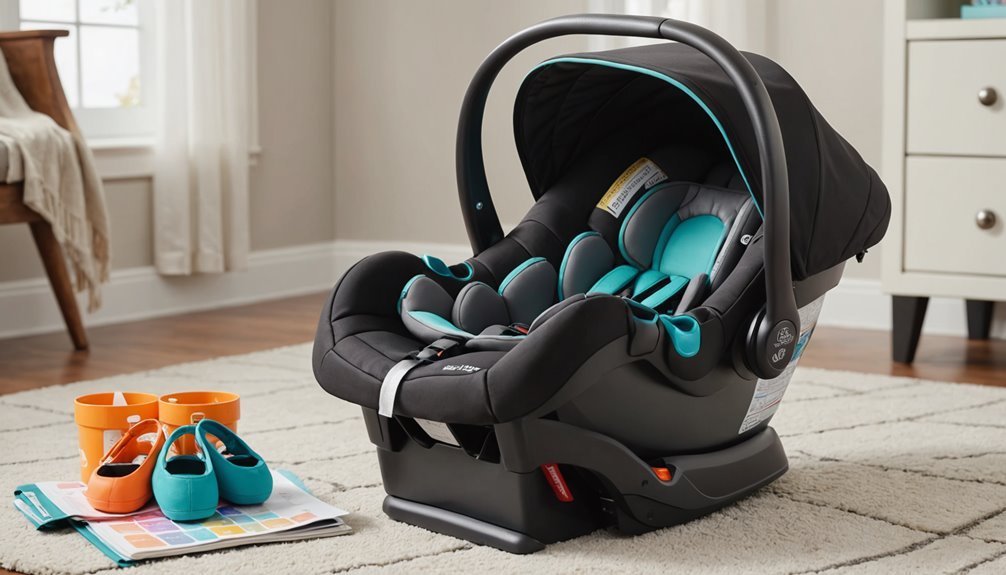
When it comes to infant car seats, knowing how long they’re good for is essential for your child’s safety. Most seats have a lifespan of six to ten years, but expiration dates can vary. You might be surprised to learn that factors like wear, tear, and changing safety standards influence their longevity. So, what should you look for to make certain your car seat remains reliable? The answer could impact your little one’s protection.
Key Takeaways
- Infant car seats typically have a lifespan of six to ten years, depending on the manufacturer.
- The exact expiration date is usually found on a label or in the user manual.
- Car seats degrade over time due to wear, tear, and environmental factors, affecting safety.
- It is crucial to replace car seats if there are visible damages or if the child exceeds weight/height limits.
- Regularly checking for recalls and conducting safety assessments ensures the car seat remains effective throughout its lifespan.
Understanding Infant Car Seat Lifespan
When you buy an infant car seat, you’re actually investing in your child’s safety for a limited time. Each car seat comes with a specific lifespan, typically ranging from six to ten years. This timeframe factors in wear and tear, changes in safety standards, and technological advancements.
You need to understand that over time, materials can degrade and the seat may not perform as expected in a crash. It’s crucial to check the manufacturer’s label or manual for the exact expiration date.
Also, consider how your child grows; an infant car seat is designed for a limited weight range and body size. Choosing the right time to shift to a convertible seat depends on your child’s growth and comfort, as well as the car seat’s expiration.
Staying informed about these factors guarantees your child stays safe during every ride.
Manufacturer Guidelines on Expiration
Understanding your infant car seat’s lifespan is important, but knowing the manufacturer’s guidelines on expiration adds another layer to your safety knowledge. Each car seat has specific expiration dates set by the manufacturer, typically ranging from six to ten years from the date of manufacture. You can usually find this date on a sticker located on the car seat or in the user manual.
It’s essential to check these guidelines because car seats degrade over time, even when not in use. Factors like temperature fluctuations, exposure to sunlight, and general wear can affect the integrity of the materials.
Always keep track of the purchase date and familiarize yourself with the manufacturer’s specific rules regarding your seat’s expiration. If you’re unsure, don’t hesitate to contact customer service for clarification.
Following these guidelines guarantees your baby’s safety while traveling in a car.how-much-is-it-to-wrap-your-car
Importance of Expiration Dates
Expiration dates on infant car seats play an essential role in ensuring your child’s safety. When a car seat reaches its expiration date, it may not perform as intended in a crash.
Here’s why you shouldn’t overlook these dates:
- Material degradation: Over time, the plastic and fabrics can weaken, reducing protection.
- Safety standards: Car seats are designed based on the latest safety guidelines, which may evolve. An expired seat may not meet current safety standards.
- Recall risks: If your seat is outdated, it may not be eligible for recalls or upgrades.
- Peace of mind: Using a seat within its lifespan gives you confidence that your child is well-protected.
Factors Affecting Car Seat Durability
Car seat durability hinges on several factors that can affect its longevity and safety performance.
One major element is the materials used in construction—high-quality plastics and fabric can resist wear and tear better than cheaper options. Exposure to extreme temperatures can also degrade a car seat over time, so storing it in a climate-controlled environment is ideal.
Additionally, proper installation plays a significant role; incorrect installation mightn’t only impact safety but also compromise the seat’s structural integrity. Regular cleaning is essential, but using harsh chemicals can break down materials.
Check the user manual for specific care instructions.how-much-is-it-to-tint-car-windows
Finally, consider how often your child uses the seat; frequent usage can lead to quicker deterioration.
Signs Your Car Seat Needs Replacement
While your car seat might look fine at first glance, there are clear signs that indicate it needs replacement. Knowing these signs can keep your child safe and secure.
Here are four key indicators to watch for:
- Cracks or Damage: Inspect the shell and straps for visible cracks or destruction. Any compromise can affect safety.
- Worn Harness: If the harness shows fraying, it’s time to replace your seat. A secure harness is essential for protection.
- Outgrown Size: Your child should fit snugly in the seat. If their head is above the top and it exceeds weight limits, it’s time to upgrade.
- Missing Parts: If any vital components like buckles or clips are lost, don’t hesitate to replace the entire seat.
Stay alert for these signs, and prioritize your child’s safety by replacing their car seat when necessary.
Keeping Track of Car Seat Expiration
You might be diligent in checking for signs that your car seat needs replacement, but it’s equally important to keep track of its expiration date.
Infant car seats typically have a lifespan of six to ten years, depending on the manufacturer. Make it a habit to note the expiration date as soon as you purchase the seat. Many car seats have the date labeled on the seat itself, so check there, too.
Create a simple calendar reminder a few months before its expiration to guarantee you have enough time to shop for a new one. Keep the user manual handy, as it often provides valuable information about expiration.
If you’ve inherited or bought a used car seat, confirm its expiration date online. By actively keeping track, you’ll make certain your little one is safe and protected on every ride. Don’t leave this vital detail to chance!
Safety Standards and Regulations
Understanding the safety standards and regulations surrounding infant car seats is essential for safeguarding your child’s protection.how-much-does-it-cost-to-tint-car-windows
Adhering to these guidelines helps you choose a safe seat for your little one. Here are key points to take into account:
- FMVSS Compliance: Confirm the car seat meets the Federal Motor Vehicle Safety Standards, which guarantee minimum safety requirements.
- Crash Testing: Look for seats that have undergone rigorous crash tests, providing proof of their performance in real-life situations.
- Expiration Dates: Check the manufacturer’s expiration date, as materials can degrade over time, compromising safety.
- Recalls: Stay informed about any recall notices; manufacturers often recall products for safety issues that could affect your child’s safety.
How to Properly Store Car Seats
When it comes to storing car seats, making sure they remain in excellent condition is essential for safety. Start by cleaning the car seat according to the manufacturer’s instructions; this helps eliminate dust and allergens. Once it’s clean and dry, disassemble any removable parts, like the base and harness, to store them separately.
Choose a cool, dry place for storage, away from direct sunlight or extreme temperatures that can damage the materials. Avoid storing the car seat in a garage or attic where heat fluctuations occur.
If possible, keep the original packaging for maximum protection. Use a clean, breathable bag to keep dust off while allowing air circulation. Finally, label the car seat with any important information like expiration dates or usage notes to make sure you’re ready when it’s time to install it again.
Proper storage guarantees the seat will be safe and functional when you need it.how-many-axles-does-a-car-have
Transitioning to a Convertible Car Seat
After verifying your infant car seat is properly stored, it’s time to reflect on the next step in your child’s car safety journey: moving to a convertible car seat.
This change is essential for their safety and comfort as they grow. Here’s what you need to take into account:
- Weight and Height Limits: Convertible seats have different limits, so check them to verify your child fits.
- Rear-Facing Position: Keep your child in the rear-facing position as long as possible. This is safer for their developing neck and spine.
- Installation: Make sure you install the convertible car seat correctly, following the manufacturer’s instructions for safety.
- Regular Checks: Regularly check the straps and harness to verify they’re secure and appropriately fitted.
Common Myths About Car Seat Longevity
Many parents believe that car seats last indefinitely, but this isn’t true. Car seats have expiration dates, typically ranging from six to ten years after the manufacture date. Using an expired car seat can compromise your child’s safety because the materials may degrade over time.
Another common myth is that a car seat can be reused after a crash. Many manufacturers recommend replacing the seat after any moderate or severe collision, even if it appears undamaged.
You also might think that if a car seat looks good, it’s still safe to use. However, wear and tear from everyday use can affect its effectiveness.
Finally, some parents assume that all brands follow the same expiration guidelines. Each manufacturer has its own set of guidelines, so it’s important to check the specific car seat’s manual.
Keeping these myths in mind will help guarantee your child’s safety on the road.
Frequently Asked Questions
Can I Use a Second-Hand Infant Car Seat?
Yes, you can use a second-hand infant car seat, but you need to be cautious.
Make sure it’s not expired, has never been in a crash, and comes with the manufacturer’s instructions.
Check for any recalls and inspect it for any damage or wear.
If it’s missing parts or shows signs of wear, don’t use it.
Prioritize your baby’s safety, and if in doubt, consider investing in a new seat.
What Should I Do if My Car Seat Is Expired?
If your car seat is expired, it’s essential to stop using it immediately for your child’s safety.
Check for the expiration date, typically located on the seat or in the manual. If it’s expired, you should dispose of it properly, often by recycling or following local waste guidelines.
Consider purchasing a new car seat that meets current safety standards. Keeping your child safe is always a priority, so don’t take any chances!
Do All Infant Car Seats Have the Same Expiration Date?
No, all infant car seats don’t have the same expiration date.
Each manufacturer sets its own guidelines, which typically range from six to ten years from the date of manufacture.
You’ll find the expiration date on a label or in the manual, so check that info.
It’s important to follow these guidelines, as using an expired car seat can compromise safety during travel.
Keep your little one safe by ensuring the car seat’s up to date.
Are There Any Brands Known for Better Durability?
Some brands are indeed known for better durability. Chicco and Britax often receive high marks for their sturdiness and longevity.
If you’re seeking durability, consider those brands when choosing an infant car seat. Look for reviews and ratings that emphasize the materials and safety features.
Investing in a reliable car seat not only guarantees safety but can also last through multiple children, giving you peace of mind for years to come.
How Can I Recycle an Expired Car Seat?
To recycle an expired car seat, check with your local recycling program, as some areas have specific drop-off sites for car seats.
If that’s not available, you can contact the manufacturer for potential take-back programs. Alternatively, some stores offer recycling events.
Make certain to disassemble the car seat by removing fabric and metal parts to make recycling easier.
Always follow local guidelines to guarantee you’re disposing of it responsibly and safely.
Conclusion
To keep your child safe, it’s essential to be aware of your infant car seat’s lifespan and expiration date. Always check the manufacturer’s guidelines and watch for any signs of wear or damage. Remember, safety standards evolve, so don’t hesitate to replace your seat when necessary. Proper care and storage can also help prolong its life. By staying informed, you guarantee your little one travels securely as they grow and shift to a convertible seat.