If you’re considering a car wrap, you might be wondering about the costs involved. A full vinyl wrap typically ranges from $2,500 to $5,000, but that price can fluctuate based on various factors. Specialty finishes can push the costs even higher. Understanding what influences these prices can help you make an informed decision. Let’s break down those factors and see what might fit your budget.
Key Takeaways
- Vinyl car wraps typically cost between $2,500 to $5,000, depending on design complexity and vehicle size.
- Specialty wraps like chrome or matte finishes can range from $3,000 to $6,000.
- Perforated window graphics are priced between $500 to $1,500, suitable for business promotions.
- Labor costs vary based on the experience and craftsmanship of the installer.
- Professional installation ensures better quality and durability compared to DIY methods.
Understanding Car Wraps: An Overview
Car wraps are an innovative way to transform the appearance of your vehicle without the permanence of a new paint job.how-to-jump-car
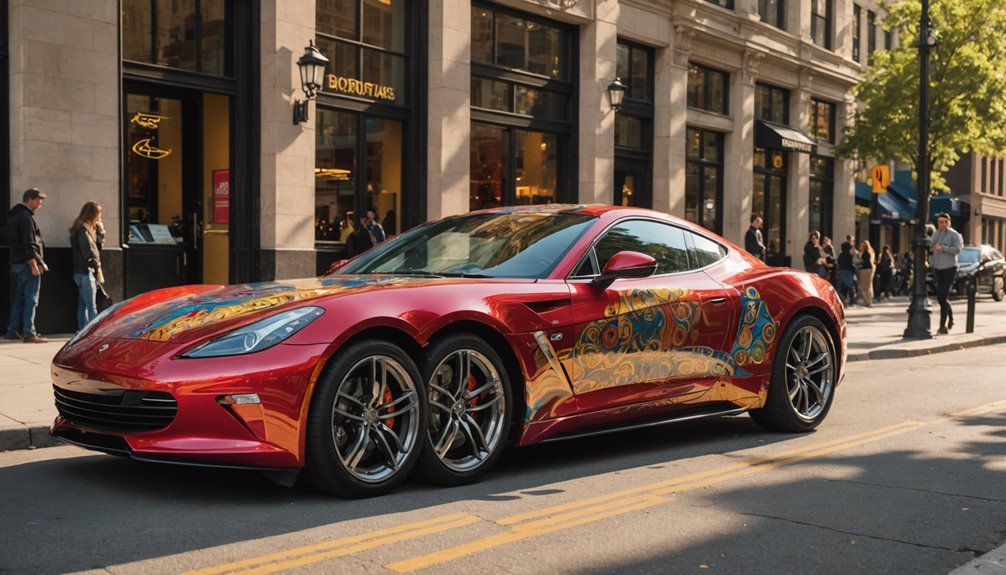
They’re fundamentally large vinyl decals that adhere to your car’s surface, offering countless design options—from vibrant colors to intricate graphics. With a car wrap, you can showcase your personal style or promote your business effectively.
These wraps provide a protective layer, shielding your car’s original paint from scratches and UV rays, which can help maintain its resale value. Plus, they’re removable, allowing you to switch up your look whenever you want, without damaging the underlying surface.
When considering a car wrap, think about the design, finish, and quality of the materials used, as these will impact both the look and longevity of the wrap.
Factors Influencing Car Wrap Costs
When considering a vehicle wrap, it’s important to understand the various factors that can affect its cost.
First, the size of your vehicle plays a significant role; larger vehicles require more material and labor.
Next, the complexity of the design will also impact the price. If you’re opting for intricate graphics or custom designs, expect to pay more.how-long-does-a-car-battery-last
The type of vinyl used matters too. High-quality, durable materials typically cost more but can yield better results.
Labor costs vary as well; experienced installers charge higher rates but often deliver superior craftsmanship.
Lastly, if you choose a full wrap versus a partial wrap, the costs will differ accordingly.
Knowing these factors can help you budget more effectively and choose the right options for your vehicle wrap project.
Types of Car Wraps and Their Prices
Exploring the different types of car wraps available can help you make an informed decision about your investment.
You’ll typically find three main types: vinyl wraps, perforated window graphics, and specialty wraps.
Vinyl wraps are the most common and range from $2,500 to $5,000, depending on complexity and coverage. They offer a wide variety of colors and finishes, perfect for a personal touch.
Perforated window graphics, costing between $500 and $1,500, provide excellent visibility from the inside while advertising on the outside, ideal for businesses.
Finally, specialty wraps, like chrome or matte, can be a bit more expensive, usually ranging from $3,000 to $6,000, but they offer unique looks that stand out.
Consider your needs and budget as you choose the right car wrap for you, ensuring that you get the best value for your investment.how-much-does-it-cost-to-wrap-your-car
Vinyl Quality: The Impact on Cost
Choosing the right type of vinyl wrap directly influences both the aesthetic appeal and the cost of your project. Higher-quality vinyl will considerably elevate your car’s look and longevity but comes with a higher price tag.
Premium brands, like 3M or Avery Dennison, offer durable wraps that resist fading, peeling, and damage, ultimately saving you money on potential replacements.
On the other hand, budget options can be enticing, but they often lack the vibrant colors and durability you want. Lower-grade vinyl may wear out quickly, leading to issues like bubbling or tearing, which can result in additional expenses down the line.
Investing in quality vinyl not only enhances your vehicle’s appearance but also guarantees you enjoy your wrap for years to come.
Consider your budget and how long you want the wrap to last before making a decision on vinyl quality. It’s worth spending a bit more for lasting satisfaction.
Vehicle Size and Its Role in Pricing
The size of your vehicle substantially impacts the overall cost of car wrapping. Larger vehicles require more material and labor, which drives up expenses. Generally, smaller cars cost less to wrap, while SUVs or trucks can demand a higher price due to their dimensions.
Here’s a quick overview of how vehicle size can affect your costs:
| Vehicle Type | Estimated Cost Range |
|---|---|
| Compact Car | $1,500 – $2,500 |
| Mid-Size Sedan | $2,000 – $3,000 |
| SUV/Truck | $3,000 – $5,000 |
These ranges are just estimates, as actual pricing can vary based on vinyl quality and design complexity. Keep in mind that while smaller vehicles may have lower wraps, you might still want to invest in quality for the best long-lasting results.how-much-is-a-car-battery
Professional Installation vs. DIY
When considering car wrapping, you might wonder whether to opt for professional installation or tackle the project yourself.
Professional installers have the skills, tools, and experience that can make a significant difference in the final look of your wrap. They can guarantee precise placement, avoid air bubbles, and handle difficult contours that might overwhelm a novice.
On the other hand, going the DIY route can save you money and give you a hands-on experience. You can purchase quality vinyl and follow tutorials, but keep in mind it’s not as easy as it seems.
If you make mistakes, it could lead to a subpar finish, requiring a redo or professional help later.
Ultimately, if you’ve got the confidence and time, DIY might be worth trying. But if you want a flawless result with less hassle, hiring a pro is likely the better choice.
Additional Costs to Consider
While you might’ve a budget in mind for your car wrap, it’s important to factor in additional costs that can arise during the process.
You may need to take into account the cost of a quality installation if you’re not opting for a DIY approach. Professional installers often charge extra for prep work or repairs to any existing damage on your vehicle’s surface.
You’ll also want to contemplate the cost of maintaining the wrap. Proper cleaning supplies or potential repairs down the line can add up.
In addition, if you decide on a custom design, expect extra design fees on top of the wrapping costs.
Lastly, don’t forget about permits if you’re wrapping a company vehicle or planning to park it in specific public spaces.how-to-disconnect-a-car-battery
These added costs can help guarantee your wrap looks great and stays protected for years to come.
Estimated Price Ranges for Different Vehicles
Understanding the costs of car wrapping often leads you to contemplate how those prices vary based on your vehicle type.
For example, compact cars usually range from $2,000 to $3,500, while mid-sized sedans can fall between $3,000 and $5,000.
If you’re considering an SUV or a larger vehicle, expect to pay around $3,500 to $6,000.
Luxury vehicles can push your budget further, often needing $5,000 to $10,000 for high-quality materials and intricate designs.
Don’t forget about specialty wraps or custom graphics, which can increase your costs considerably, depending on the details involved.
Factors like the condition of your car’s paint and the complexity of the design also come into play.
Maintenance and Longevity of Car Wraps
Proper maintenance can greatly extend the life of your car wrap, ensuring it looks fresh and vibrant for years. To achieve this, you should regularly wash your vehicle with mild soap and soft cloths to avoid scratches. It’s also best to avoid automatic car washes, as they can be too abrasive. Additionally, try to park in shaded areas to protect the wrap from UV damage.
Here’s a simple table outlining maintenance tips for car wraps:
| Maintenance Task | Frequency | Benefits |
|---|---|---|
| Hand wash | Every 2 weeks | Prevents dirt buildup |
| Inspect for damage | Monthly | Early problem detection |
| Wax application | Every 3 months | Protects against UV rays |
| Avoid high heat | As needed | Prevents bubbling |
| Store indoors | When possible | Extends life of wrap |
Frequently Asked Questions
How Long Does It Take to Wrap a Car?
Wrapping a car typically takes between 1 to 3 days, depending on the complexity and size of your vehicle.
If you’ve chosen intricate designs or multiple colors, it might take longer. The preparation and post-wrapping processes can also affect the timeline.
You’ll want to guarantee the team has ample time to deliver a flawless finish.
Once completed, your car will have a brand-new look that stands out on the road!
Can I Wrap a Leased Vehicle?
Yes, you can wrap a leased vehicle, but you’ll want to check your lease agreement first.
Some leases have restrictions on modifications. If you’re clear to proceed, wrapping can be a great way to personalize your ride without making permanent changes.
Just remember, you’ll need to remove the wrap before returning the vehicle to avoid potential charges.
Always consult your leasing company if you’re unsure about their policies.
Will a Car Wrap Damage My Original Paint?
No, a car wrap generally won’t damage your original paint if it’s applied and removed correctly.
You’ll want to guarantee that the surface is clean and in good condition before wrapping. If you choose high-quality materials and have a professional do the job, you can minimize any risk.
Just keep in mind that older paint or poor-quality finishes may react differently, so it’s smart to assess your vehicle’s condition first.
Are There Any Color Change Restrictions for Wraps?
Yes, there are color change restrictions for wraps, which can vary by location and local laws.
Some areas might’ve regulations against certain colors for safety reasons, like overly reflective or bright hues.
Additionally, you should check with your local DMV or vehicle regulations to confirm you’re compliant.
Always consult your wrap installer, too, as they might’ve preferences based on their experience and the materials they’re using.
Can I Wash My Wrapped Car Normally?
Yes, you can wash your wrapped car normally, but you need to take some precautions.
It’s best to avoid automatic car washes with brushes that could damage the wrap. Hand washing with a soft sponge and mild soap is ideal.
Rinse thoroughly and dry with a microfiber towel to prevent water spots.
Just be gentle and avoid harsh chemicals, and your wrap will stay looking great for a long time!
Conclusion
To summarize, getting a car wrapped can be a fantastic way to refresh your vehicle’s look, but it’s crucial to evaluate various factors that influence the cost. From the type of wrap and vinyl quality to vehicle size and installation methods, prices can vary considerably. By weighing your options and budgeting accordingly, you can find the perfect wrap that fits your style and wallet, ensuring you drive away happy with your new ride’s appearance.