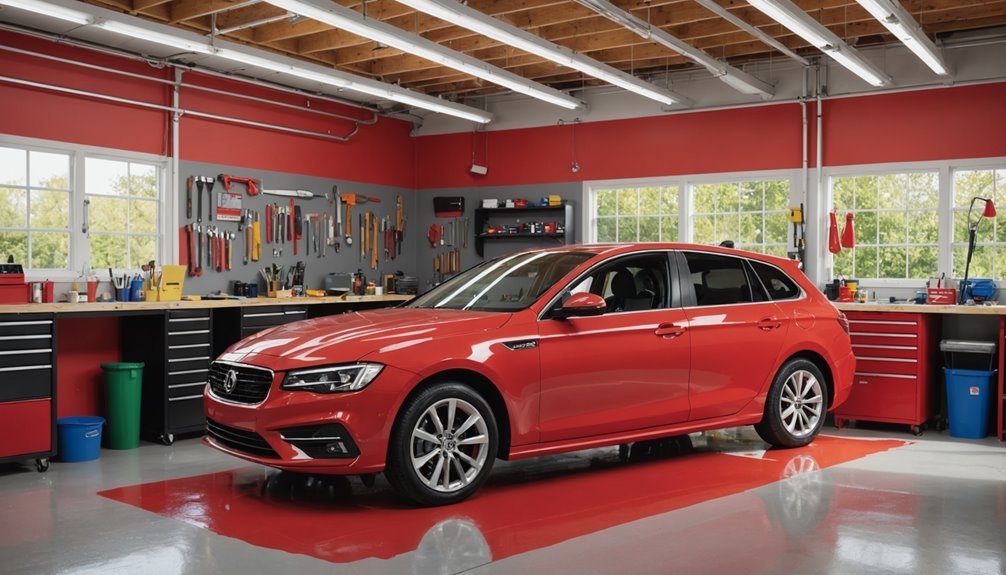
When considering how much it’ll cost to paint your car, you’ll notice a lot of variables at play. Factors like the type of paint, your vehicle’s size, and whether you’re going DIY or hiring a pro can sway the price notably. You might start with a budget-friendly option but discover that custom designs and additional services can quickly add up. So, what are the typical cost ranges for each scenario?
Key Takeaways
- Professional car painting costs range from $500 to $5,000, depending on quality and services offered.
- DIY painting costs typically range between $100 and $1,000 for materials alone.
- Vehicle size and make significantly impact paint and labor requirements, affecting final costs.
- The choice of paint type—acrylic, enamel, or urethane—can alter pricing due to quality and durability.
- Additional services such as customization, graphics, or protective coatings increase the overall expense of painting a car.
Factors Influencing Car Painting Costs
When you’re considering painting your car, several factors can impact the overall cost. The size and make of your vehicle play an essential role; larger cars require more paint and labor.
The condition of your car’s surface also matters. If there’s rust or damage, repairs will add to the expense. Choosing a professional shop versus a DIY approach greatly affects your budget as well. Labor costs can vary based on the shop’s quality and reputation.
The type of paint finish you want, like matte or gloss, will influence the price too. Additionally, the geographical location can impact labor rates. Seasonal demands and whether you want any custom designs or graphics will also affect overall costs.how-to-care-for-hydrangeas
Keep these factors in mind to get a more accurate estimate before committing to painting your car. A clear understanding of these aspects guarantees you stay within your budget while achieving the desired look.
Types of Paint and Their Impact on Price
The type of paint you choose plays a significant role in determining the overall cost of painting your car. Automotive paints mainly fall into three categories: acrylic, enamel, and urethane.
Acrylic paints are often the most affordable option but may require more frequent touch-ups, adding to long-term costs. Enamel paints offer durability and a glossy finish, typically positioned at a mid-range price point. Urethane paints, while the most expensive, provide exceptional durability and protection against fading, making them a popular choice for high-end finishes.
Additionally, special effects paints, like metallic or pearl finishes, can drive up costs further due to their complexity in application. If you opt for custom colors or designs, expect to pay extra as well.
Ultimately, balancing your budget with the desired longevity and aesthetic will help you choose the right type of paint for your project.how-long-to-charge-car-battery
Professional vs. DIY Car Painting
Choosing between professional and DIY car painting can greatly impact your budget and the final result.
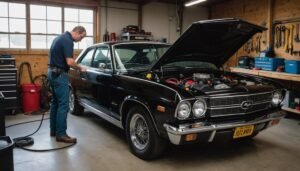
If you opt for professional services, you’ll likely pay between $500 and $5,000, depending on the quality of the job, the experience of the painters, and the type of paint used. Professionals bring expertise, advanced tools, and a smooth finish that’s hard to replicate at home.
On the other hand, tackling the project yourself can save you money. You’ll spend around $100 to $1,000 on materials, depending on the paint, primer, and equipment needed.
However, keep in mind that DIY requires time, patience, and some skill. If you’re not careful, you might end up with an uneven coat or unnecessary damage to your car’s surface.
Ultimately, weigh your budget, time, and skill level before deciding which route to take.
Vehicle Size and Complexity
Size and complexity of your vehicle can considerably influence the cost and effort involved in painting it. If you own a compact car, it generally requires less paint and labor than a large SUV or truck.
Smaller vehicles are easier to maneuver, which means you might spend less time in the shop and save on labor costs.
Meanwhile, a larger vehicle can lead to higher material costs due to the increased paint required. More intricate designs, like those found on luxury cars or vehicles with multiple sections, can also complicate the job, as they may necessitate additional preparation and masking.how-to-tint-car-windows
Keep in mind that if your vehicle has unique shapes or contours, it might take longer to paint, influencing both the price and the final outcome.
Understanding your vehicle’s size and complexity will help you budget effectively and set realistic expectations for the painting process.
Additional Services and Customization
When considering additional services and customization for your car’s paint job, it’s essential to recognize how these factors can impact both the aesthetic appeal and the overall cost.
Adding custom graphics, stripes, or a unique color can transform your vehicle’s appearance, making it stand out on the road. However, these customizations often require more labor, specialized materials, and expertise, which can increase your expenses.
You might also think about protective coatings or sealants, which not only enhance the look but also serve to preserve the paint beneath. These services extend the longevity of your paint job, but they come with their own price tag.
Don’t forget about prep work, like repairs or sanding, that may be necessary before the main paint process. Each additional service adds complexity and cost, so consider what you value most in your car’s final look.
Choose wisely to align your vision with your budget.
Average Cost Ranges for Different Scenarios
Painting your car can vary widely in cost depending on several factors, including the type of paint, the quality of the job, and the specific services you choose.how-to-replace-car-headliner-fabrics
For a basic paint job at a local shop, expect to spend between $300 and $900. This typically covers a single coat of enamel paint. If you’re looking for a higher-quality finish, like a multi-coat urethane, prices generally fall in the $1,000 to $4,500 range.
For those considering custom jobs or specialized colors, costs can skyrocket beyond $5,000. Additional services like bodywork, rust repair, or detailing can further influence the total price.
If you’re planning on doing it yourself, budget for paint and supplies costing around $100 to $500, depending on the materials.
Be sure to weigh your options to find the right balance between quality and budget for your car’s makeover!
Frequently Asked Questions
How Long Does a Professional Car Painting Job Typically Take?
A professional car painting job typically takes anywhere from one to three days, depending on the complexity of the work and the type of paint used.
If you’re opting for additional services, like body repairs or multiple coats, it might take longer.
It’s best to discuss your specific needs with the shop, so you can get a more accurate timeline for your project.
Getting everything done right usually requires some patience on your part.
Can I Paint My Car Without Removing Old Paint?
Yes, you can paint your car without removing the old paint, but it’s essential to prepare the surface properly.
Wash and sand the existing paint to create a smooth base for the new layer. You’ll want to use a primer to guarantee good adhesion.
However, if the old paint is peeling or damaged, it’s better to strip it down for the best results. Proper prep will lead to a more vibrant and durable finish.
What Is the Best Time of Year to Paint a Car?
The best time of year to paint your car is during mild, dry weather, ideally in spring or fall.
Temperature and humidity play a vital role in paint adhesion and curing, so aim for days between 65°F and 85°F with low humidity.
Avoid painting during extreme heat or cold, as it can affect the finish.
Planning for a garage or shaded area can also help in achieving the best results.
Will Painting My Car Void Any Warranties?
Painting your car can potentially void certain warranties, especially if the work isn’t done by a certified professional or if non-approved materials are used.
Your manufacturer’s warranty might specifically state that modifications can lead to voiding coverage.
It’s best to check your warranty terms and consult with your dealer before proceeding.
That way, you’ll make an informed decision and protect any remaining coverage on your vehicle.
How Do I Maintain My Car’s Paint After It’s Done?
To maintain your car’s paint, wash it regularly using a pH-balanced car soap and a soft sponge.
Apply a coat of wax every three months to protect the finish and create a barrier against dirt.
Park in the shade or use a car cover to prevent sun damage.
Avoid automatic car washes with brushes, as they can scratch the surface.
Finally, inspect for scratches or chips and address them promptly to keep your paint looking fresh.
Conclusion
In summary, the cost to paint your car can vary greatly based on several factors, including the type of paint you choose and whether you opt for a professional or DIY approach. Remember to take into account your vehicle’s size and any customizations you might want. By understanding these elements, you can better budget for your car painting project and achieve the look you desire without breaking the bank. Happy painting!