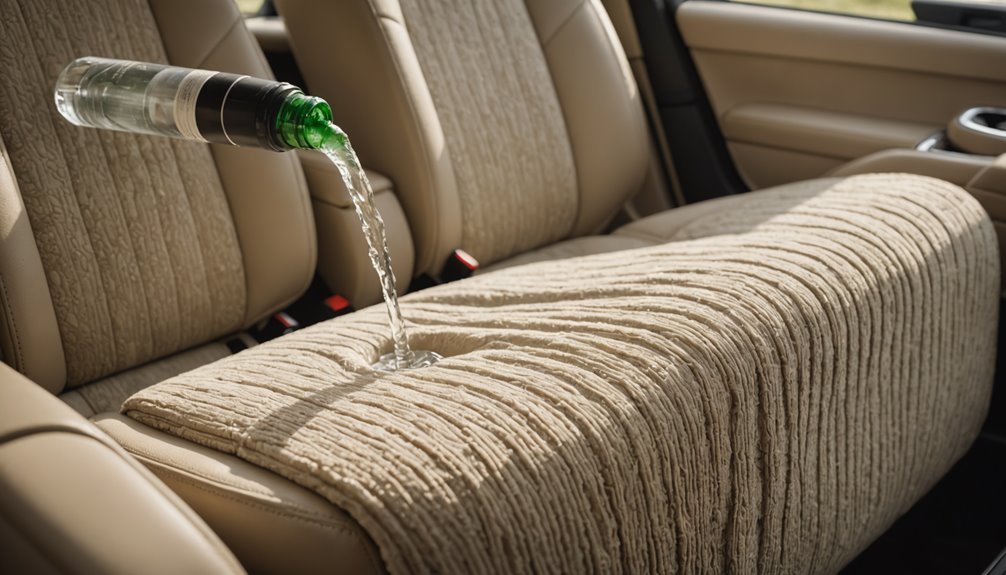
Keeping your cloth seats clean is essential for maintaining your car’s interior. It can be surprisingly simple if you follow the right steps. First, you’ll want to gather your supplies and tackle any loose dirt. But what about those stubborn stains that seem impossible to remove? Let’s explore effective techniques that can restore your seats to their original condition and keep them looking fresh for longer.
Key Takeaways
- Begin by thoroughly vacuuming the cloth seats, using the upholstery attachment to capture dust and debris from seams and corners.
- Identify and treat stains promptly by blotting liquids and gently scraping off solids with a dull knife.
- Prepare a cleaning solution by mixing drops of mild dish soap with warm water; consider adding vinegar for enhanced cleaning power.
- Conduct a patch test on an inconspicuous area before applying the cleaning solution to avoid discoloration.
- Maintain cleanliness by vacuuming regularly, addressing spills immediately, and using seat covers to protect against wear.
Gather Your Cleaning Supplies
To tackle cleaning your cloth seats effectively, you’ll need a few essential supplies. First, grab a vacuum cleaner with an upholstery attachment. This helps remove dust and debris before deep cleaning.
Next, get a soft-bristle brush; it’s great for loosening dirt without damaging the fabric. You’ll also want a microfiber cloth, which is perfect for wiping surfaces without leaving lint behind.
Don’t forget a suitable upholstery cleaner—choose one that’s specifically designed for cloth seats. If you prefer a DIY approach, plain water mixed with a small amount of mild dish soap works well too.
An optional item is a spray bottle to make application easier. Finally, have a bucket handy if you opt for a wet cleaning method.how-to-jump-car
With these supplies, you’re ready to clean those cloth seats and breathe new life into your car’s interior!
Vacuuming the Cloth Seats
Start by thoroughly vacuuming your cloth seats to remove loose dirt and debris. Use a vacuum cleaner with a brush attachment to effectively reach into the seams and crevices.
Make sure to cover the entire surface area, including the front, back, and sides of the seats. Pay extra attention to the areas where dirt tends to accumulate, like the corners and under the seat cushions.
If your vacuum has a nozzle attachment, utilize it to tackle hard-to-reach spots between the seats and in small gaps. For better results, move the vacuum in different directions; this helps lift embedded dirt and lint.
Once you’ve thoroughly vacuumed, check for any lingering crumbs or particles and repeat the process if necessary. A clean surface is essential before moving on to cleaning products, ensuring you don’t push dirt deeper into the fabric.how-long-does-a-car-battery-last
Take a moment to admire your fresh seats!
Identifying and Treating Stains
After vacuuming, it’s time to inspect your cloth seats for any stains that may need attention. Check for common culprits like food, drinks, or mud—these are often easy to spot.
Once you identify a stain, try to determine what caused it. Different substances require different treatment approaches.
If it’s a liquid stain, blot the area gently with a clean cloth—don’t rub, as that can spread the stain.
For food or solid stains, scrape off any excess using a dull knife or spoon before treating it. You might also notice grease stains, which can be trickier; they’ll need a special approach.
If a stain persists, don’t be discouraged. It often takes a little extra patience and repeated blotting to lift it out completely.
Keep a close eye on the treatment process, as the longer you let a stain sit, the harder it’ll be to remove.
Preparing a Cleaning Solution
When you’re ready to tackle the cleaning process, preparing an effective cleaning solution is vital for achieving the best results.how-fast-do-f1-cars-go
Start by mixing a few drops of mild dish soap with warm water in a spray bottle. This simple solution works well for most fabric seats without causing damage.
If you prefer a stronger mix, consider adding white vinegar, which helps eliminate odors and stains. A common ratio is one part vinegar to four parts water.
Once you’ve mixed your solution, shake the bottle gently to verify everything’s well combined.
Always do a patch test on a small, inconspicuous area of your seats first to make sure the solution won’t discolor the fabric. If it looks good, you can confidently use the cleaning solution on larger areas.
Having the right mixture prepared guarantees you’re ready to effectively clean your cloth seats, getting them looking fresh and new again.
Spot Cleaning Techniques
Having your cleaning solution ready sets the stage for effective spot cleaning.
Begin by identifying the type of stain you’re dealing with, as this will guide your approach. Gently blot the stain with a clean cloth to absorb any excess material; don’t rub, as this can push the stain deeper into the fabric.
Consider these essential techniques for spot cleaning:
- Use a soft-bristle brush to lift the fibers, allowing the cleaner to penetrate deeper.
- Apply your cleaning solution directly onto the stain, then blot with a dry cloth.
- Rinse the area with a small amount of water on a clean cloth to remove any residue.
- Dry the spot with a microfiber towel, making sure not to saturate the area.
Deep Cleaning for Stubborn Stains
Tackling stubborn stains requires a bit more effort, but it’s worth it for a fresh, clean look. First, gather your supplies: a fabric cleaner, a soft brush, microfiber cloths, and a bucket of warm water.
Before applying any cleaner, test it on an inconspicuous area to verify it won’t discolor the fabric.
Spray the fabric cleaner directly on the stain, letting it sit for a few minutes to penetrate. Then, use a soft brush to gently scrub the area in circular motions. This helps lift the stain without damaging the fibers.
Work in small sections, and don’t overload the fabric with cleaner.
After you scrub, wipe away the residue with a damp microfiber cloth. If the stain persists, repeat the process until you see improvement.
Finally, make certain you allow the seats to dry completely before using the car again.how-to-check-oil-in-car
Rinsing and Drying the Seats
After you’ve scrubbed away those stubborn stains, it’s important to rinse out any leftover cleaner to prevent residue buildup. Start by using a clean cloth or sponge soaked in warm water. Wipe down the seats gently, focusing on areas where you applied cleaner. Avoid soaking the fabric to prevent water from seeping into the cushions.
To guarantee thorough rinsing and drying, follow these steps:
- Use a separate clean cloth for rinsing to avoid cross-contamination.
- Blot any remaining moisture with a dry, microfiber clean towel.
- Open the car windows and let the air circulate for effective drying.
- If possible, park the car in a shaded, well-ventilated area for faster drying.
Deodorizing Your Cloth Seats
Nothing ruins a pleasant drive like unpleasant odors lurking in your cloth seats. To tackle this issue, you’ll want to start with a good vacuum. This removes any crumbs or debris that could contribute to odors.
After vacuuming, sprinkle baking soda liberally over your cloth seats. Baking soda is a natural deodorizer; it’ll absorb smells rather than just mask them. Let it sit for at least 15 minutes—longer if possible—to really work its magic.
Once you’ve allowed the baking soda to do its job, vacuum it up thoroughly. If the smell lingers, consider using a fabric freshener spray, but always spot-test a small area first to verify it won’t discolor your seats.
For an extra boost, you can add a few drops of essential oil to a cotton ball and tuck it in a seat crevice. You’ll enjoy a fresher, more inviting car atmosphere on your next drive!
| how-long-does-it-take-to-charge-a-car-battery |
Maintaining Clean Cloth Seats
Keeping your cloth seats clean requires regular upkeep to prevent dirt and stains from becoming a permanent fixture. To maintain their pristine look, you should incorporate a few simple practices into your routine.
- Vacuum regularly: Remove crumbs and debris to prevent soil build-up.
- Address spills immediately: Blot, don’t rub, spills to minimize stains.
- Use seat covers: Protect against wear and tear, especially for kids or pets.
- Limit food and drink: Reducing these in-car can prevent unwanted messes.
Frequently Asked Questions
Can I Use Bleach on Cloth Seats?
You shouldn’t use bleach on cloth seats. It can damage the fabric and cause discoloration, leaving you with seats that look worse than before.
Instead, opt for milder cleaners specifically designed for upholstery. You can mix a bit of dish soap with water or purchase a dedicated fabric cleaner.
Always test any solution on an inconspicuous area first, just to confirm it won’t harm your seats.
Keep your interior looking good without risking damage!how-to-get-cigarette-smell-out-of-car
How Often Should I Clean My Cloth Seats?
You should clean your cloth seats every six months, or more often if you notice stains or spills.
Regular maintenance keeps your car looking fresh and prevents dirt from embedding in the fabric.
If you frequently eat or transport pets, consider cleaning them every three months.
Always check for any specific recommendations from your car’s manufacturer, as they might have guidelines tailored for your vehicle’s interior materials.
Are Steam Cleaners Safe for Cloth Seats?
Yes, steam cleaners are safe for cloth seats when used correctly. They can effectively remove dirt and stains without harsh chemicals.
Just be careful not to soak the fabric, as too much moisture can lead to mildew or damage. Always test a small, inconspicuous area first to guarantee the fabric reacts well.
Using a steam cleaner regularly can help keep your seats looking fresh and prolong their life, so go ahead and give it a try!
What if My Cloth Seats Have an Odor?
If your cloth seats have an odor, you can tackle it effectively.
Start by vacuuming the seats to remove dust and debris.
Next, sprinkle baking soda over the area, let it sit for a few hours, then vacuum it up.
For stubborn smells, mix equal parts water and white vinegar in a spray bottle.
Lightly mist the seats and let them dry.
This should help eliminate most odors and leave your car smelling fresh.
Can Professional Cleaning Damage My Cloth Seats?
Professional cleaning typically won’t damage your cloth seats if you choose a reputable service.
They use specialized equipment and solutions designed for automotive fabrics.
However, it’s crucial to communicate any concerns you have about your seats beforehand.
If you want to be extra cautious, consider asking about their cleaning methods and products.
This way, you can verify they’re suitable for your specific fabric and avoid any potential issues.
Conclusion
By following these steps, you can easily keep your cloth seats in great shape. Regular vacuuming and spot cleaning help prevent stains from setting in, while deep cleaning tackles those tougher marks. Don’t forget to deodorize to keep your car smelling fresh! With a little maintenance, your cloth seats will look and feel great, ensuring a pleasant driving experience. So, grab your supplies, and get started on that cleaning journey today!