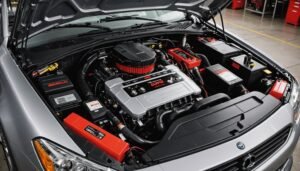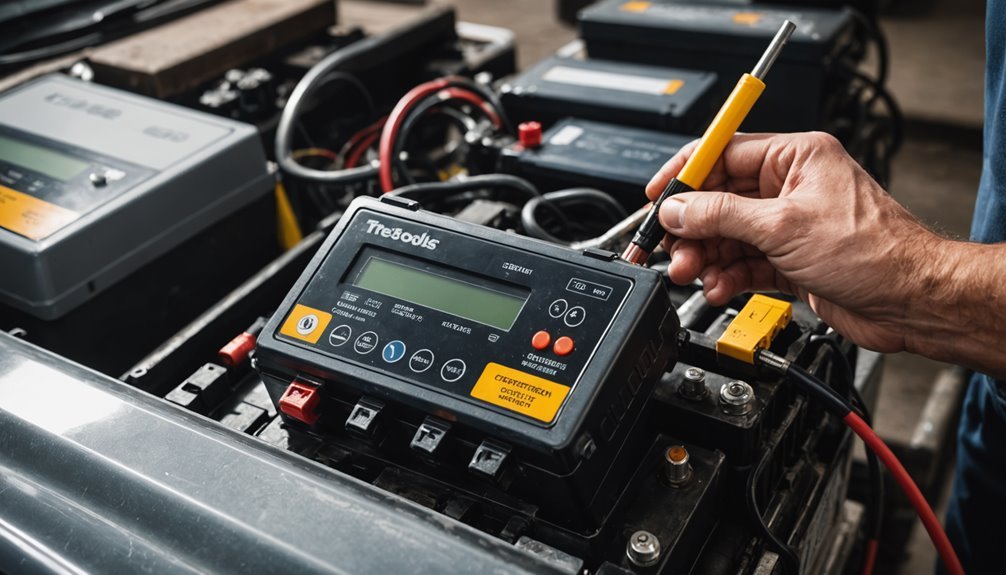
While a well-maintained car battery can thrive for up to five years, neglect can lead to an unexpected failure in just three. Understanding the lifespan of your battery isn’t just about timing; it’s essential for your vehicle’s performance. What factors contribute to this variance, and how can you guarantee your battery lasts as long as possible? Let’s explore the intricacies of car batteries and discover what you need to know.
Key Takeaways
- Car batteries typically last between 3 to 5 years, depending on the type and maintenance.
- Lead-acid batteries may require more frequent replacement than AGM or lithium-ion types.
- Extreme temperatures can significantly shorten battery lifespan, necessitating regular checks.
- Weak batteries show signs like slow engine crank and dim headlights, indicating a nearing end of life.
- Proper maintenance, such as cleaning terminals and checking fluid levels, can extend battery longevity.
Understanding Car Battery Types
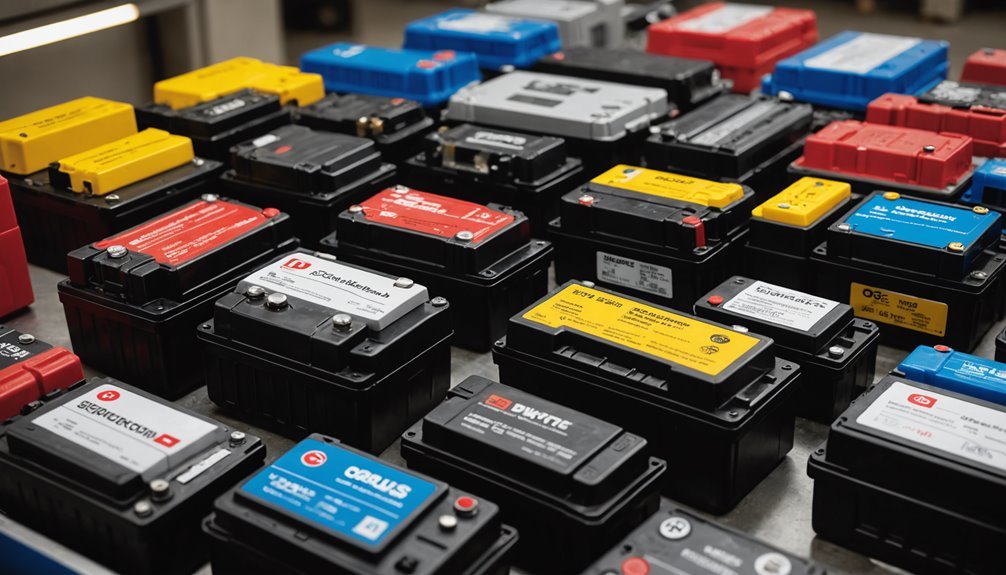
When it comes to car batteries, understanding the different types can greatly impact your vehicle’s performance. You’ll typically choose between lead-acid, AGM (Absorbent Glass Mat), and lithium-ion batteries. Lead-acid batteries are the most common and usually cost-effective, but they may require more maintenance. If you’re looking for something more efficient, AGM batteries deliver higher power and are more resistant to vibrations, which is great for off-road driving. They also have a longer lifespan compared to standard lead-acid batteries.
On the other hand, lithium-ion batteries are lighter and offer excellent performance, especially in electric vehicles. Although they come with a higher price tag, their longevity and reduced weight can be worth it. Knowing these options will help you make an informed decision when it’s time to replace your car battery, ensuring you choose the best fit for your driving needs and style.
Factors Affecting Battery Lifespan
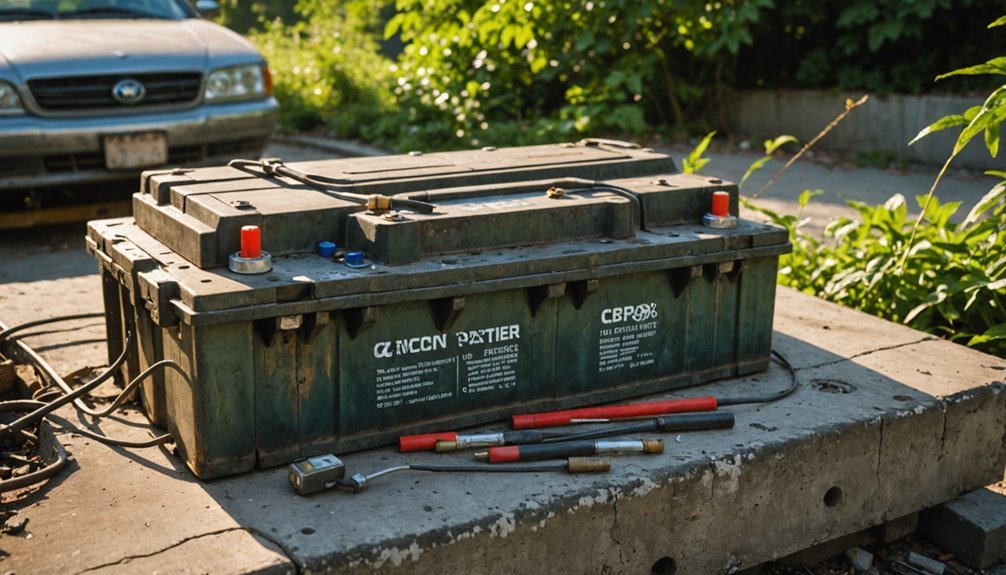
Choosing the right type of car battery is just the beginning; several factors can influence how long that battery lasts. From temperature extremes to your driving habits, these elements play a critical role in battery longevity.
| Factor | Influence on Lifespan | Tips for Management |
|---|---|---|
| Temperature | High heat can evaporate fluids. | Park in shaded areas in summer. |
| Driving Patterns | Short trips prevent full charges. | Take longer drives regularly. |
| Maintenance | Corroded terminals affect output. | Clean terminals frequently. |
| Battery Age | Older batteries may weaken. | Replace batteries every 3-5 years. |
| Electrical Load | Excessive use drains the battery. | Limit unnecessary electronics. |
Typical Lifespan of Car Batteries
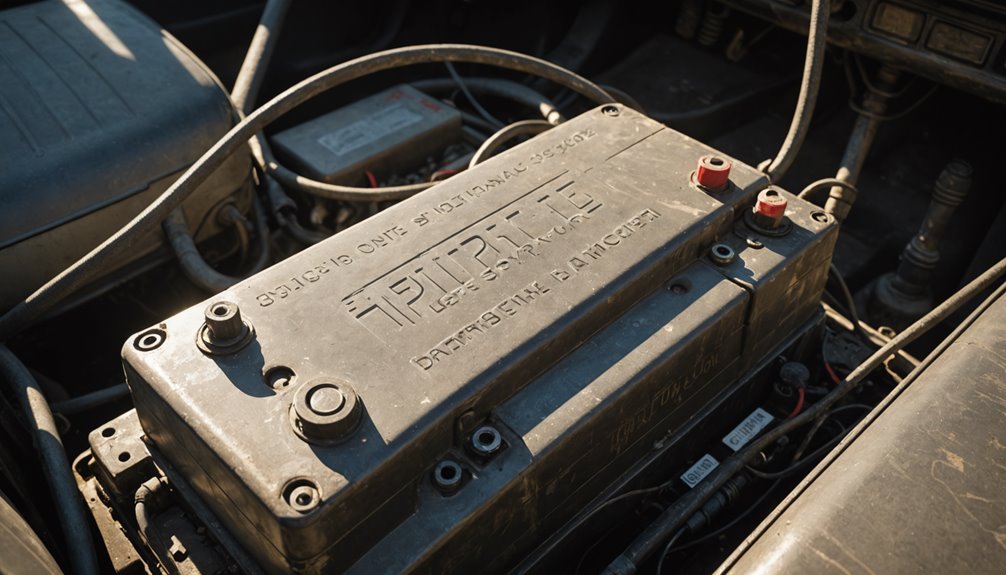
On average, most car batteries last between three to five years. However, this can vary depending on several factors, including driving habits, climate, and maintenance. If you drive regularly and take short trips, your battery may wear out quicker. Extreme temperatures—both hot and cold—can put extra strain on the battery, reducing its lifespan. Regular maintenance, like cleaning connections and ensuring a tight fit, can help extend its life.
It’s also essential to evaluate the type of battery you have; some premium batteries are designed to last longer than standard options. While it’s good to know the general lifespan, keep in mind that individual experiences may differ. Being aware of your driving conditions and habits gives you a better chance of maximizing your battery’s life. Ultimately, staying proactive about your car’s needs will lead to a smoother ride and fewer unexpected surprises down the road.
Signs Your Battery Needs Replacement
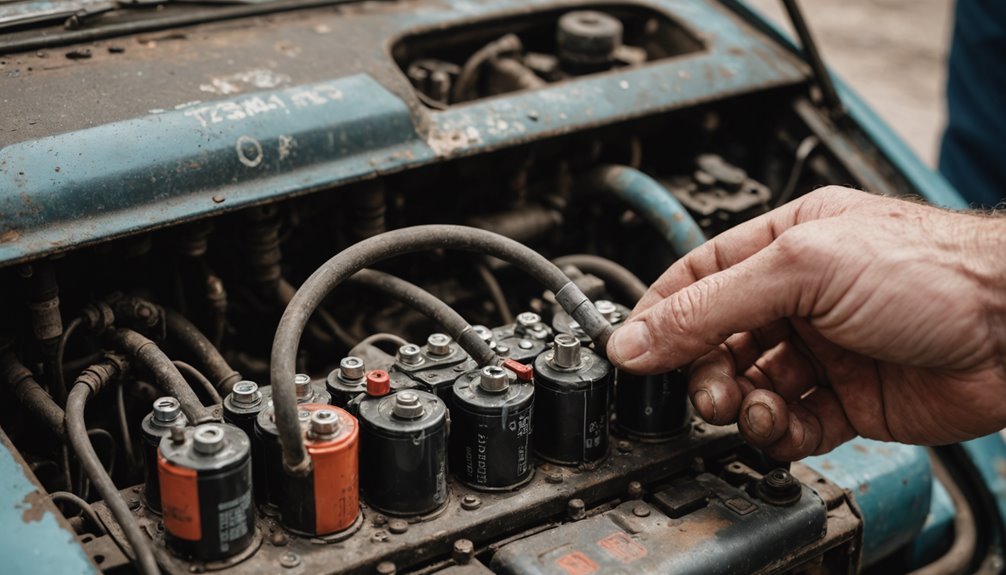
Recognizing the signs your battery needs replacement can save you from unexpected breakdowns. One of the first red flags is a slow engine crank when you start your car; this often indicates your battery isn’t supplying enough power. You might also notice that your headlights appear dimmer than usual, especially when you turn on other electrical components. If warning lights on your dashboard flicker or stay lit, it’s time to investigate. Additionally, if you find that you need to jump-start your vehicle frequently, your battery is likely nearing the end of its life. Look for corrosion around battery terminals, which can interfere with connections. Finally, if your battery’s age exceeds three to five years, it’s wise to think about a replacement, even if it’s still functioning. Being proactive can guarantee your vehicle remains reliable, giving you peace of mind on the road.
The Impact of Climate on Battery Performance

While climate may seem like just a backdrop to your daily driving, it greatly affects your car battery’s performance and lifespan. Extreme temperatures can wreak havoc on your battery’s efficiency. In colder climates, battery capacity can drop considerably, leading to difficulties in starting your vehicle. If you live in a frigid area, you may notice your battery struggles more during winter months.
On the other hand, excessive heat can also shorten your battery’s life. High temperatures can cause the fluid in the battery to evaporate, damaging internal components and accelerating wear. As a result, if you’re in a hotter region, you might want to check your battery’s health more often.
Ultimately, understanding how climate impacts your battery helps you take proactive steps to maintain it, ensuring you avoid unexpected breakdowns and costly replacements.
Driving Habits That Influence Battery Life
Your driving habits play a significant role in determining how long your car battery lasts. Frequent short trips, for example, can be detrimental. When you drive only a few miles, your battery doesn’t fully recharge, which can lead to a gradual decline in power. Conversely, long drives help guarantee that your battery gets adequately charged, extending its life.
Additionally, how you start your car affects battery health. Rapid acceleration and excessive use of electrical accessories, like the radio and air conditioning, can strain the battery. Driving at night with headlights on consistently can also hasten battery wear.
Keeping your car parked for extended periods, particularly in extreme weather, isn’t ideal either. The more you use your vehicle regularly, the better it is for your battery’s longevity. Pay attention to your routine, and you might find easy adjustments that help your battery last longer.
Maintenance Tips for Prolonging Battery Longevity
To keep your car battery in top shape, regular maintenance is key. Implementing a few simple habits can help extend its life and save you from untimely replacements.
Here’s a quick reference for essential maintenance tasks:
| Maintenance Task | Frequency |
|---|---|
| Clean battery terminals | Every 3 months |
| Check fluid levels | Monthly |
| Inspect connections | Every 6 months |
| Test battery health | Annually |
Make certain to clean the battery terminals to avoid corrosion, which can interfere with performance. Checking fluid levels helps guarantee there’s enough electrolyte, while inspecting connections assures a solid link. Additionally, testing your battery’s health annually can alert you to any potential issues before they become serious. By following these tips, you’ll help maximize your battery’s longevity and reliability on the road.
When to Consider a Battery Replacement
Knowing when to replace your car battery can save you from unexpected breakdowns. Batteries typically last between three to five years, but various factors like climate, driving habits, and maintenance can influence their lifespan. Pay attention to warning signs that indicate a battery replacement may be necessary. If you notice your engine cranking slowly or dim headlights while the engine is running, it’s a red flag. Additionally, if your battery’s terminals show corrosion or leaks, it’s time to act.
Another key indicator is age; if your battery is older than three years, consider testing it regularly. If you’ve jump-started your car multiple times recently, that’s a sure sign that your battery isn’t holding a charge effectively. Finally, if you’re about to set off on a long trip, verify your battery is in good condition. Addressing these issues early can prevent hassle and keep you on the road.
How to Properly Dispose of Old Batteries
When it comes to disposing of old car batteries, it’s crucial to handle them responsibly to protect the environment. Car batteries contain hazardous materials, like lead and sulfuric acid, which can contaminate soil and water if not disposed of properly.
First, check if your local auto parts store or mechanic offers battery recycling services. Many will accept your old battery and make sure it’s disposed of safely. If not, look for designated recycling centers in your area that specialize in hazardous waste.
Check with local auto parts stores for battery recycling; many accept old batteries for safe disposal.
Avoid tossing the battery in the regular trash, as this poses serious environmental risks. Some states even have regulations against improper disposal.
Lastly, keep your old battery in a safe, cool place until you can return it for recycling. Taking these steps guarantees you’re doing your part to keep the planet safe and helps resources be reused in new batteries.
Frequently Asked Questions
Can I Extend My Battery’s Life With a Battery Tender?
Using a battery tender can greatly extend your battery’s life. It keeps your battery at an ideal charge, preventing it from discharging too low, which can damage it. Think of it as a cozy blanket for your battery, ensuring it stays warm and ready whenever you need it. Just plug it in when you’re not using your vehicle, and you’ll enjoy a reliable and longer-lasting battery for your drives!
Do Aftermarket Batteries Perform Better Than Original Equipment Batteries?
Aftermarket batteries can sometimes perform better than original equipment batteries, but it really depends on the brand and specifications. You’ll often find options with higher capacities and better temperature tolerances. However, it’s essential to research and read reviews to guarantee you’re getting a reliable product. Keep in mind that compatibility is important, so make sure the aftermarket battery suits your vehicle’s requirements for peak performance.
How Do I Safely Jump-Start a Dead Battery?
Jump-starting a dead battery‘s like giving a sleeping giant a nudge. To safely wake it up, park the working vehicle close, turn off both ignitions, and connect the red clamp to the dead battery’s positive terminal, then the other end to the live battery’s positive terminal. Next, attach the black clamp to the live battery’s negative terminal and connect the other end to a metal surface on the dead battery. Start the live vehicle, then the dead one.
Are There Any Warranties for Car Batteries?
Yes, there are warranties for car batteries. Typically, manufacturers offer warranties that range from 1 to 3 years, depending on the battery’s brand and type. When you buy a new battery, always check the warranty details for coverage specifics. If your battery fails within the warranty period, you can usually get a replacement. Just remember to keep your receipt and any necessary documentation safe for easier claims later.
Can Corroded Terminals Affect Battery Performance?
Yes, corroded terminals can greatly affect battery performance. When corrosion builds up around the connections, it creates a poor electrical pathway, which may lead to difficulty starting your vehicle or reduced power to electronic components. You should regularly check and clean the terminals to guarantee a good connection. If you notice a blue or white powdery substance, it’s a good idea to clean it off to maintain peak battery function.