As of 2023, there are over 1.4 billion cars on the planet, a figure that underscores major shifts in urbanization and economic growth. Regions like North America and Europe show high car ownership, whereas areas in Africa and South Asia lag behind. This disparity raises important questions about sustainability and infrastructure. How can societies balance growing vehicle numbers with environmental and logistical challenges? Let’s explore the implications of this global phenomenon.
Key Takeaways
- As of 2023, there are over 1.4 billion cars on the road globally.
- Car ownership is highest in regions like North America, Europe, and China.
- Many African and parts of South Asia have low car ownership rates, often under 50 cars per 1,000 people.
- The global car population is projected to reach 2 billion vehicles by 2035 due to urbanization.
- The average age of vehicles on the road often exceeds a decade, contributing to environmental challenges.
Current Global Car Population Statistics
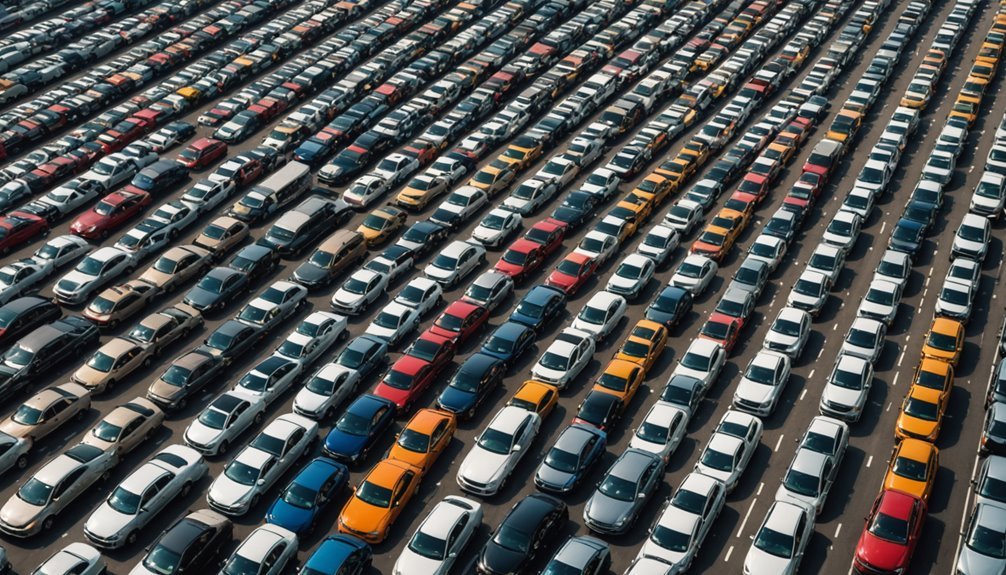
As of 2023, estimates suggest there are over 1.4 billion cars on the road globally, a number that continues to grow annually. This immense figure reflects not only an increase in personal mobility but also rising urbanization rates and growing consumer demand. When you analyze regional distributions, it’s evident that the highest concentrations exist in North America, Europe, and parts of Asia, particularly China, where car ownership surged due to economic expansion. In contrast, countries in Africa and parts of South Asia still experience lower car ownership rates, demonstrating a stark global divide. You’ll notice that the average age of vehicles on the road is also an essential factor; many cars remain in service for over a decade, impacting maintenance and environmental challenges. Understanding these statistics is significant, as they’ll help you comprehend the broader implications for infrastructure and sustainability in your communities.
Factors Driving Car Ownership Trends
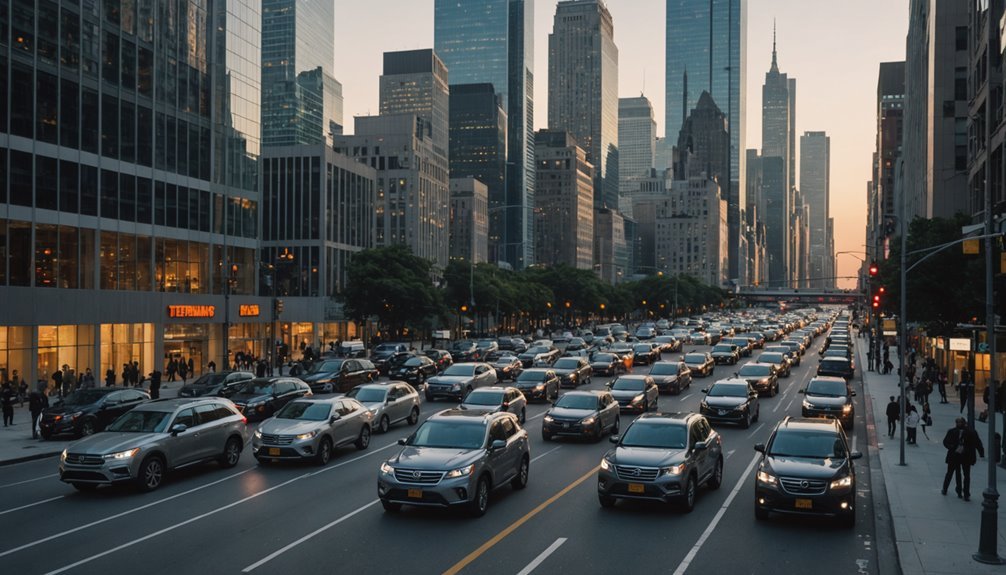
The rising global car population is influenced by several key factors shaping ownership trends today. Understanding these factors can help you grasp why car ownership is surging. Here are four critical drivers:
The surge in car ownership reflects key trends driven by economic growth, urbanization, technology, and evolving lifestyles.
- Economic Growth: As economies develop, disposable incomes rise, allowing more individuals to afford cars.
- Urbanization: With more people moving to urban areas, the demand for personal vehicles to navigate congested cities increases.
- Technological Advances: Innovations in automotive technology, including electric and autonomous vehicles, attract consumers and expand market appeal.
- Changing Lifestyles: Younger generations prioritize convenience and mobility options, prompting a shift towards car ownership as a symbol of freedom and status.
These factors, when combined, create a dynamic landscape for car ownership that’s continually evolving. Understanding them offers insights into the future of transportation and its impact on society.
Regional Variations in Car Ownership

How do regional differences shape car ownership around the globe? Car ownership varies markedly based on continent and economic status. In North America, high incomes and a strong car culture lead to over 800 vehicles per 1,000 people. Conversely, in many African countries, economic barriers prevent widespread ownership, resulting in fewer than 50 cars per 1,000 inhabitants.
Moreover, Europe showcases a diverse landscape—countries like Germany embrace vehicles due to robust economies, while others prioritize public transport. Urbanization impacts car ownership; densely populated cities often see lower rates as public transit options thrive.
Another essential factor is government policies. Incentives for electric vehicles in Norway have propelled ownership, with over 500 electric cars per 1,000 people, while other regions lag. As you examine these regional variations, you’ll uncover how economic, cultural, and policy influences intertwine to shape global car ownership trends.
Environmental Impact of Increased Car Usage
Regional variations in car ownership not only highlight economic disparities but also raise pressing environmental concerns linked to increased vehicle usage. As car ownership escalates, your environment faces multiple threats:
- Increased Emissions: With more cars on the road, greenhouse gas emissions rise, contributing markedly to climate change.
- Air Quality Degradation: More vehicles lead to higher levels of particulate matter and other pollutants, worsening air quality and impacting public health.
- Urban Sprawl: Greater reliance on cars promotes urban sprawl, encroaching on natural habitats and affecting biodiversity.
- Resource Depletion: The demand for oil and materials for car manufacturing puts additional pressure on the planet’s finite resources.
To address these issues, it’s essential for policymakers and individuals to explore sustainable transportation options that can mitigate the environmental impact of our growing love affair with cars.
Infrastructure Challenges Due to Rising Car Numbers
As car ownership rises globally, cities face significant infrastructure challenges that can hinder urban mobility and safety. Studies show that urban areas are seeing a yearly increase in vehicle registration, forecasted to reach 2 billion by 2035. This surge strains existing road networks, resulting in congestion and longer commute times. According to traffic data, average travel speeds in major cities have decreased by 10% in the last decade due to inadequate road capacity.
Moreover, cities struggle to maintain and expand public transit options, often sidelined by the increasing demands of automobile infrastructure. The high costs of improving roads and adding parking spaces divert funding away from critical services. Additionally, this growing dependence on cars can lead to deteriorating air quality, further complicating public health issues. Without strategic planning and investment in multifaceted transportation solutions, the challenges posed by rising car numbers will continue to escalate, impacting urban livability.
Innovations in Future Mobility Solutions
While urban areas grapple with the challenges posed by rising car ownership, innovative mobility solutions are emerging to redefine how we navigate our cities. You’ll find that these developments offer sustainable alternatives, reduce congestion, and enhance urban living. Here are four key innovations to watch:
- Micro-mobility Services: E-scooters and bike-sharing programs are making short trips efficient and accessible, reducing the need for cars.
- Autonomous Vehicles: Self-driving technology promises to optimize travel routes, decrease accidents, and improve traffic flow.
- Holistic Urban Mobility Platforms: Apps integrating various transport modes simplify planning routes, fostering seamless shifts between public transport, ridesharing, and personal vehicles.
- Smart Traffic Management: AI-driven systems adjust traffic signals in real-time, mitigating delays and smoothing commutes.
Incorporating these solutions could reshape your experience of urban travel, making cities more livable for everyone. The future of mobility is here—you just need to embrace it.
The Role of Electric Vehicles in Car Population Growth
Electric vehicles (EVs) are rapidly transforming the landscape of global car ownership. As you explore the role they play in car population growth, consider that EVs are not just replacements for traditional vehicles; they’re reshaping transportation dynamics altogether. The increase in EV adoption contributes considerably to both the number of cars on the road and the reduction of carbon emissions.
| Year | Global EV Stock (Millions) | Annual Growth Rate (%) |
|---|---|---|
| 2020 | 10.2 | 43 |
| 2021 | 16.5 | 62 |
| 2022 | 26.4 | 60 |
These figures illustrate a clear trend: as society moves towards sustainability, the number of EVs continues to rise. This shift not only signifies an uptick in total vehicle numbers but also indicates a growing commitment to cleaner, more efficient mobility options for future generations.
Frequently Asked Questions
What Is the Average Lifespan of a Car?
The average lifespan of a car is around 11 to 15 years, depending on factors like maintenance, driving habits, and environmental conditions. You’ll find that regular servicing and care can extend this lifespan considerably. Additionally, technological advancements improve durability and reliability, meaning newer models might last longer. If you’re proactive about upkeep, your vehicle could well surpass the average, giving you more value for your investment.
How Many Cars Are Scrapped Each Year Globally?
About 30 to 40 million cars are scrapped globally each year. This figure reflects the natural aging of vehicles, with many reaching the end of their lifespan due to wear and tear, accidents, or changes in regulations. You might find it interesting that scrapping cars contributes to recycling efforts, reclaiming valuable materials like metals and plastics. Understanding this helps you appreciate the environmental impact of vehicle life cycles and responsible disposal methods.
What Percentage of Cars Are Electric or Hybrid?
Only about 10% of cars on the road are electric or hybrid. It’s a staggering thought, considering the planet’s in crisis while some drivers still cling to their gas guzzlers like they’re a life raft. As technology advances, this figure is slowly rising, but the inertia of tradition’s holding back progress. You might want to invest in an eco-friendly vehicle—it’ll make you feel better and help the planet breathe a little easier.
How Often Do New Car Models Get Released?
New car models typically get released annually, with most manufacturers revealing their new models during major auto shows, like the Detroit Auto Show or the Geneva International Motor Show. Some brands, however, may introduce mid-year updates or special editions, leading to more frequent refreshes. You’ll notice that trends often dictate design and technology cycles, pushing companies to innovate faster to meet consumer demands and stay competitive in the market.
What Are the Most Popular Car Brands Worldwide?
The most popular car brands worldwide include Toyota, Volkswagen, and Ford. For instance, Toyota’s Corolla remains a top-selling model, showcasing its reliability and appeal. Analyzing global sales data reveals that Toyota consistently leads the market due to its diverse lineup and commitment to innovation. Volkswagen follows closely with its strong presence in Europe, while Ford capitalizes on its reputation for trucks in North America. These brands exemplify consumer trust and market adaptability.