When you’re considering a used car, mileage is a key factor that can influence your decision. Generally, aiming for 12,000 to 15,000 miles per year strikes a good balance between usability and potential maintenance issues. However, it’s not just about the numbers; the car’s overall condition and maintenance history matter too. So, what else should you keep in mind to guarantee you make a smart choice?
Key Takeaways
- Average mileage for used cars is typically between 12,000 and 15,000 miles per year, indicating reasonable usage.
- Lower mileage can be appealing but requires scrutiny of maintenance records for reliability.
- High-mileage cars are often more affordable and feature-rich but may have potential reliability issues.
- A solid maintenance history can enhance a used car’s reliability and overall value, regardless of mileage.
- Consider your budget, driving needs, and risk tolerance when evaluating mileage and overall condition.
Understanding Mileage: What It Means for a Used Car
When considering a used car, understanding mileage is essential because it directly affects the vehicle’s value and longevity.
Mileage reflects how much the car has been driven, which can impact wear and tear on various components. Lower mileage often suggests a less-used vehicle, potentially leading to fewer mechanical issues down the line. However, don’t assume that a car with high mileage is always a poor choice; a well-maintained vehicle can still perform reliably.
You’ll also want to think about the type of driving the car has experienced. Highway miles typically mean less wear compared to city driving, which involves more stops and starts.how-to-care-for-hydrangeas
It’s smart to ask for the vehicle’s maintenance history too; consistent servicing can counterbalance higher mileage.
Ultimately, evaluating mileage alongside maintenance records and overall condition helps you make a more informed decision when buying a used car.
The Average Mileage for Used Cars
While there’s no one-size-fits-all answer, the average mileage for a used car typically ranges between 12,000 to 15,000 miles per year. When you’re shopping for a used vehicle, it’s helpful to keep this figure in mind.
Cars with mileage around this range are often viewed as well-maintained and more reliable. A vehicle that falls within this average may give you confidence in its overall condition and longevity.
If you find a used car with markedly lower mileage, it might seem appealing, but consider how well it has been maintained. Conversely, higher mileage cars can still be a good option if they’ve been regularly serviced.
Don’t let mileage be the sole factor in your decision. Always evaluate the vehicle’s overall condition, service history, and how it was used. This balanced approach helps guarantee that you make a smart choice tailored to your needs.
High Mileage vs. Low Mileage: What to Consider
Deciding between a high-mileage and a low-mileage used car can be tricky, as each option has its pros and cons. High-mileage cars are often less expensive and may have more features due to being older, but they could come with potential reliability issues. Low-mileage vehicles might offer a longer lifespan and peace of mind, but you’ll generally pay a premium for that.how-to-clean-car-seats
Consider the following comparison to help guide your choice:
| Mileage Type | Pros | Cons |
|---|---|---|
| High Mileage | Lower cost | Possible wear and tear |
| Low Mileage | Less wear | Higher price |
| Maintenance | May have service history | Variable care based on owner |
| Reliability | Potentially high risk | Typically more reliable |
| Resale Value | Less retention value | Better long-term investment |
Evaluate your budget, driving needs, and how much risk you’re willing to take on when making your decision.
The Importance of Maintenance History
Understanding a vehicle’s maintenance history is essential, as it provides insight into how well the car has been cared for over the years. When you look at a used car, ask for its service records. Regular oil changes, timely inspections, and documented repairs reflect a responsible owner.
If a car has missed these significant services, it could lead to costly problems down the line. Check for major repairs, which can reveal how the car responds to wear and tear.
It’s also wise to know if any recalls have been addressed. A solid maintenance history can increase the car’s reliability and longevity, giving you confidence in your purchase.
Ultimately, a well-maintained vehicle is often worth more, even if its mileage is higher. So don’t overlook this vital aspect; it’ll pay off in the long run as you drive your used car.
Different Types of Driving and Their Impact on Mileage
The type of driving you do plays a significant role in how a used car’s mileage affects its performance and longevity. If you mainly drive in the city, your car is likely to have higher wear and tear due to frequent stops and starts. This kind of driving often leads to increased fuel consumption and accelerated brake wear.
On the other hand, highway driving usually means less strain on your vehicle, allowing for better fuel efficiency and less wear on the engine and transmission.how-to-clean-cloth-car-seats
When evaluating a used car, consider its driving history. A car that’s spent most of its life on highways may have lower overall wear compared to one subjected to heavy city traffic.
Understanding these factors helps you gauge the true condition of the vehicle and its future reliability. Keep this in mind as you assess how mileage relates to performance and what that means for your potential purchase.
Market Trends: Mileage and Car Value
As you navigate the used car market, it’s essential to recognize how mileage considerably influences a vehicle’s value.
Lower mileage generally means a higher price, while higher mileage often leads to a decrease in value. Here are three trends worth noting:
- Average Mileage: Most drivers average about 12,000 to 15,000 miles per year. Cars with lower-than-average mileage can attract buyers seeking reliability.
- Depreciation Rates: Vehicles typically lose roughly 15-20% of their value each year. High mileage can accelerate this rate, making it a significant factor in pricing.
- Market Demand: Certain makes and models hold their value better than others, regardless of mileage.
Research the demand for specific cars to understand how mileage impacts pricing.
Tips for Evaluating a Used Car’s Condition
When you evaluate a used car’s condition, starting with a thorough inspection can reveal essential details about its overall health.how-to-clean-leather-car-seats
Begin with the exterior—check for dents, scratches, and rust. Pay attention to the paint’s consistency; mismatched colors might signal past accidents.
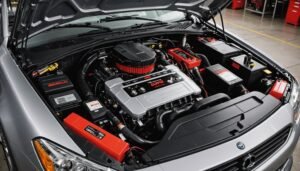
Next, look under the hood. Confirm the engine is clean and free of leaks. Examine the belts and hoses for wear and tear.
Now, focus on the interior. Inspect the seats, dashboard, and control systems to guarantee everything functions properly.
Don’t forget to test drive the car. Listen for unusual noises and assess how it handles on the road.
Finally, consider the vehicle’s maintenance records. A well-documented history shows responsible ownership and regular maintenance.
Making a Decision: Mileage, Price, and Reliability
While evaluating a used car purchase, you need to weigh mileage, price, and reliability carefully. Each of these factors plays a vital role in your decision-making process, and understanding their relationship will help you make a smart choice.
- Mileage: Lower mileage usually means less wear and tear, but it’s important to examine the car’s overall history. A car with high mileage might still be in excellent condition if well-maintained.
- Price: Always compare prices for similar models with comparable mileage. If a deal seems too good to be true, investigate further.
- Reliability: Research the brand and model’s reliability ratings. Some vehicles are known for longevity, which can save you money on repairs in the long run.
Frequently Asked Questions
How Does Mileage Affect Insurance Rates for Used Cars?
Mileage directly affects your insurance rates for a used car.
Generally, lower mileage can lead to lower premiums because it suggests less wear and tear, reducing the likelihood of accidents.how-to-fix-scratches-on-car
If you’ve got higher mileage, insurers might see it as a greater risk, leading to higher rates.
It’s smart to check with your insurer and see how your car’s mileage impacts your specific coverage costs.
Keep your mileage in mind when shopping for insurance.
Can I Trust Mileage Claims on Used Car Listings?
You can’t always trust mileage claims on used car listings. Some sellers might exaggerate figures to make their car seem more appealing.
It’s smart to verify the mileage through vehicle history reports or maintenance records. If possible, consider a pre-purchase inspection by a trusted mechanic.
Combining these steps can help guarantee you’re getting an accurate picture of the car’s true condition and its mileage history. Always stay vigilant and do your research!
What Is the Best Mileage Range for My Budget?
For your budget, aim for a used car with under 100,000 miles, as this often balances cost and reliability.
Cars in this range tend to have fewer issues while still being affordable. Don’t forget to factor in the maintenance history and overall condition, too.
If you can stretch your budget for a well-maintained car with slightly higher mileage, it’s worth considering. Quality matters, so prioritize value over just mileage.
Are Hybrid or Electric Cars Better for Mileage?
Yes, hybrid and electric cars are often better for mileage.
They use advanced technology to maximize fuel efficiency, allowing you to drive longer distances on less energy. Hybrids combine gasoline engines with electric power, while fully electric vehicles rely solely on electricity, making them extremely efficient.
If you’re looking to save on fuel costs and reduce your carbon footprint, investing in one of these options can be a smart choice for your wallet and the environment.
How Do I Find Out the Actual Mileage of a Used Car?
You can find the actual mileage of a used car by checking the odometer, which displays the total distance driven.
Look for the vehicle’s history report using services like Carfax or AutoCheck; they often list mileage records.
Ask the seller for maintenance receipts, as they sometimes include odometer readings.
Finally, inspect the car for signs of wear and tear that may help you gauge if the mileage seems genuine.
Conclusion
When buying a used car, focus on the mileage and what it says about the vehicle’s overall health. Aim for a range of 12,000 to 15,000 miles per year, but don’t overlook the importance of maintenance history and the car’s overall condition. Remember, a well-maintained high-mileage car might serve you better than a low-mileage one that’s been neglected. Weigh all factors carefully, and you’ll find a reliable used car that fits your needs and budget.