When it comes to figuring out if your car battery is dead, there are a few signs you shouldn’t ignore. You might notice dim dashboard lights, a slow crank when starting the engine, or perhaps a clicking sound that’s all too familiar. If you see any swelling or leaking from the battery case, that’s another red flag. But these indicators can sometimes be tricky. Let’s explore the details further to get a clearer picture.
Key Takeaways
- Difficulty starting the engine or a slow crank suggests a weak or dead battery.
- Dim or flickering dashboard lights indicate the battery may not be providing enough power.
- A clicking noise instead of a smooth start often points to a failing battery.
- A swollen or leaking battery case raises safety concerns and indicates potential need for replacement.
- Frequent need for jump starts means the battery may no longer hold a charge effectively.
Signs of a Failing Battery
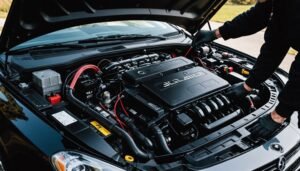
When you notice your car struggling to start or the headlights dimming while idling, it could be a sign your battery is on its last legs. A slow or nonexistent engine crank indicates that your battery mightn’t hold enough charge. You might also hear a clicking noise instead of a smooth start, which often suggests a weak battery.
If you’ve recently jumped your car frequently or found that the radio or interior lights flicker, those are additional signals that your battery’s health is declining. Pay attention to a rotten egg smell around the battery—that could indicate a chemical leak.how-to-recharge-car-ac
Finally, if you see corrosion around battery terminals, that’s another clear warning sign you shouldn’t ignore.
These indicators won’t just save you from being stranded; they’ll help you act before a complete failure occurs, ensuring a smoother drive and more reliable performance.
Dim or Flickering Dashboard Lights
Dim or flickering dashboard lights can be another indication that your car battery’s health is waning.
When you notice that your dashboard lights aren’t shining as brightly as they should, it’s a sign that your battery may not be providing enough power. This issue often arises when the battery struggles to support the electrical components in your vehicle.
If you see your dashboard lights flicker while driving, the battery may not be holding a charge effectively. This flickering can occur during start-up or when you’re using accessories, like the radio or air conditioning.
Take a moment to pay attention to these warning signs. They could mean your battery is on its last legs, and waiting too long might leave you stranded. It’s always better to be proactive, so if these lights dim or flicker, consider having your battery checked or replaced soon.
Slow Engine Crank
A slow engine crank is often one of the most noticeable signs that your car battery might be on its way out. When you turn the ignition, you may hear the engine struggle to start, turning over sluggishly instead of firing up quickly. This delay usually indicates that the battery isn’t supplying enough power to start your engine smoothly.how-long-are-infant-car-seats-good-for
If you find yourself having to hold the key longer than usual or hearing a prolonged cranking sound, it’s time to take action. You should first check the battery connections to verify they’re clean and secure. Corroded or loose connections can cause poor performance.
If everything appears in order but the slow crank persists, consider having your battery tested or replaced. Ignoring this sign can leave you stranded, so stay proactive in addressing any potential battery issues for your vehicle’s longevity.
Clicking Noise When Starting
If you hear a rapid clicking noise when you try to start your car, it’s a strong indicator that your battery may be dead or too weak to start the engine. This clicking occurs when the starter motor doesn’t receive enough power to engage. Instead of the normal engine roar, you’re met with a series of fast clicks, signaling trouble.
To troubleshoot, first, verify your battery terminals are clean and securely connected. Loose or dirty connections can also cause this issue.
If everything looks good but clicking persists, it’s likely time to test or replace your battery. You can jump-start your car as a temporary solution, which might give you enough power to get to the mechanic.
Don’t ignore these sounds—addressing them quickly can prevent further damage to the starter or engine. Always prioritize your safety and have a qualified technician examine the situation if you’re unsure.
Swollen or Leaking Battery Case
Over time, a car battery can show signs of distress, such as swelling or leaking. If you notice that the battery case looks bloated or misshapen, that’s a clear indicator it’s time for a replacement. A swollen battery often means internal damage, which can lead to leaks.how-long-does-a-car-inspection-take
If you spot any fluid pooling around the battery terminals or on the battery itself, that’s a serious concern. The fluid may be battery acid, which can corrode your car’s components and pose safety risks. Don’t ignore these signs; taking action early can prevent further issues.
Always handle a swollen or leaking battery with care. Wear gloves and safety glasses, and consider consulting a professional for safe disposal and replacement.
Ignoring these symptoms can leave you stranded and may even damage your vehicle, so it’s best to address them immediately.
Frequently Asked Questions
How Long Should a Car Battery Typically Last?
A car battery typically lasts between three to five years, depending on various factors like climate, maintenance, and usage.
If you frequently drive short distances or live in extreme temperatures, you might find your battery deteriorates faster.
It’s a good idea to keep an eye on its age and performance. Regularly checking terminals and connections can help extend its lifespan, ensuring your vehicle starts reliably when you need it.
Can Extreme Temperatures Affect Battery Performance?
Yes, extreme temperatures can greatly affect battery performance.
When it’s too hot, your battery may overheat, leading to faster corrosion and reduced lifespan.
Conversely, in cold weather, the chemical reactions inside the battery slow down, making it harder for you to start your car.
You should park your vehicle in a garage or shade when possible to help maintain a stable temperature and keep your battery in good condition.
What Tools Do I Need to Test a Car Battery?
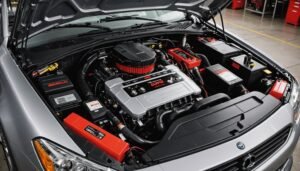
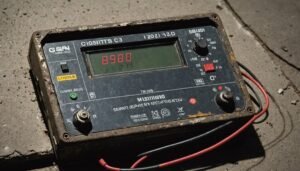
To test a car battery, you’ll need a multimeter or a dedicated battery tester. If you opt for a multimeter, set it to DC voltage, and check the battery’s terminals.
Additionally, a hydrometer can gauge the concentration of the electrolyte in flooded batteries.
Don’t forget safety gloves and goggles to protect yourself from acid and sparks.
With these tools, you’re set to diagnose your battery’s health effectively.
How Often Should I Check My Battery’s Health?
You should check your battery’s health at least twice a year, ideally every six months.
It’s a good idea to do it during the seasonal changes, especially before winter and summer, since extreme temperatures can affect performance.
Keep an eye out for any warning signs, too, like dimming headlights or slow engine cranking.
Regular checks can help you avoid unexpected breakdowns and prolong your battery’s lifespan.
Is It Safe to Jump-Start a Battery Myself?
Yes, it’s generally safe to jump-start a battery yourself, as long as you follow proper procedures.
Make sure you’ve got jumper cables and a working vehicle to assist. Connect the cables correctly, starting with the dead battery’s positive terminal, then the working one.
Always wear protective gear and avoid contact with the battery acid. If you’re uncertain, it’s best to call for help or consult a professional.
Safety first!
Conclusion
In summary, if you notice dim dashboard lights, a slow engine crank, or clicking noises when starting, your car battery might be dead. Don’t ignore any signs of swelling or leaks, and be alert for that rotten egg smell, too. These issues indicate it’s time to test or possibly replace your battery. Taking action early can save you from being stranded, so keep an eye out for these warning signs to guarantee reliable performance on the road.