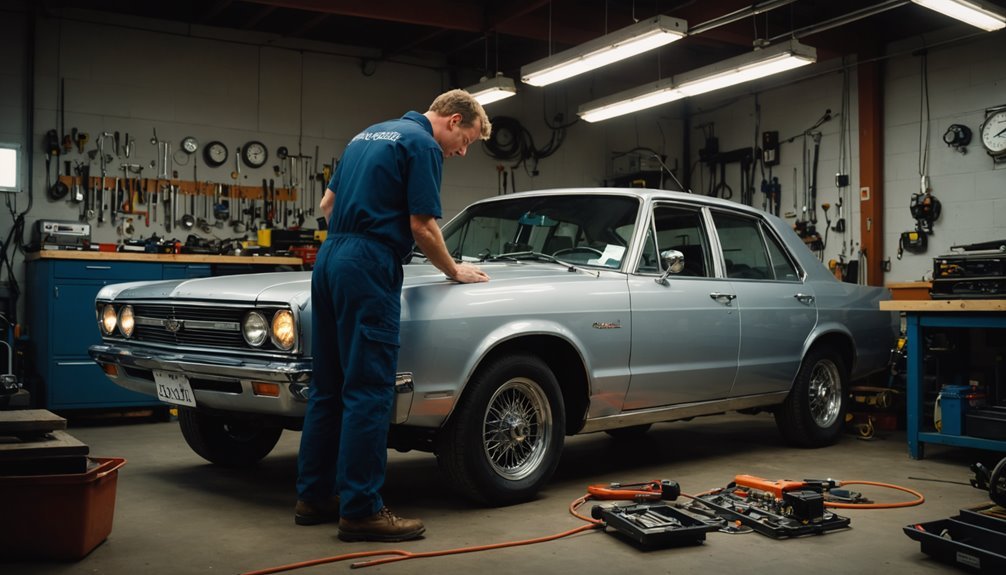
When you’re getting your car inspected, you might wonder how long it’s actually going to take. Typically, inspections fall between 30 to 60 minutes, but that can change based on various factors. The type of inspection, your vehicle’s condition, and how busy the station is all play a part. So, what do you need to know to guarantee a smooth experience? Let’s explore that further.
Key Takeaways
- A standard car inspection typically lasts between 30 to 60 minutes.
- The inspection duration varies based on the type of inspection being performed.
- Vehicle condition and necessary repairs can extend the time needed for an inspection.
- Busy times at inspection stations may increase overall wait times.
- Experienced technicians may complete inspections more efficiently than less experienced ones.
Understanding Car Inspections
Car inspections are essential for ensuring your vehicle’s safety and compliance with local regulations. These inspections help identify potential issues before they become serious problems, protecting you and others on the road.how-many-cars-are-there-in-the-world
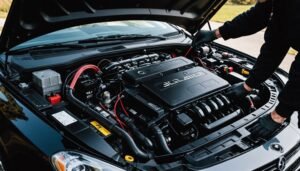
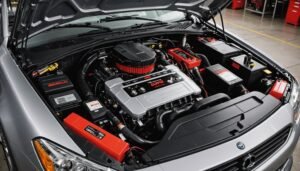
During an inspection, a certified technician examines vital components of your vehicle, including the brakes, lights, tires, and exhaust system. They’ll make sure everything meets safety standards and operates efficiently.
You’ll want to keep your car in good shape, as failing an inspection can lead to costly repairs and fines. It’s also a great opportunity to establish a good relationship with your mechanic, who can provide valuable maintenance advice.
The Typical Duration of a Car Inspection
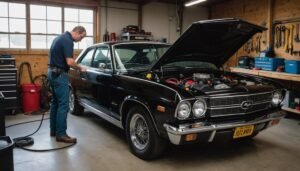
Understanding how long a car inspection lasts can help you plan your day better. Generally, a standard inspection takes about 30 to 60 minutes. However, this can vary based on several factors.
Here’s what you can expect during this time:
- Visual Checks: Mechanics will assess your vehicle’s exterior, interior, and under the hood.
- Emissions Test: They’ll check the emissions system to guarantee it meets local regulations.
- Safety Features: Expect checks on brakes, lights, and seatbelts to confirm functionality.
- Fluid Levels: They’ll inspect essential fluids, like oil and coolant, for proper levels.
- Tire Condition: Inspectors will look at tire tread depth and overall condition.
Being aware of these aspects can help you gauge how long you might be waiting.
Arriving early or scheduling an appointment can also lead to a smoother experience.how-to-check-car-alternator
Factors That Affect Inspection Time
Several factors can influence how long your car inspection takes, so it’s good to be aware of them.
First, the type of inspection being performed can make a difference. For example, a basic safety inspection usually takes less time than an emissions test.
Next, the vehicle’s condition can also affect the duration. If you’ve got a well-maintained car, you’re likely to breeze through, while any repairs or issues will extend the inspection time.
Additionally, time of day and location play a role. Busy inspection stations during peak hours can lead to longer wait times.
Finally, the experience of the technician might impact efficiency. An experienced inspector may complete the process more quickly than someone newer to the job.
Different Types of Car Inspections
Different inspections cater to various needs, and knowing what type you require can affect your experience and time at the inspection station.
Here are some common types of car inspections you might encounter:
- Safety Inspection: Checks essential components like brakes, lights, and tires for safety compliance.
- Emissions Inspection: Verifies your vehicle meets environmental standards regarding air pollution.
- Pre-Purchase Inspection: A thorough evaluation of a used car’s condition before buying.
- Annual Inspection: Happens yearly to maintain your vehicle’s registration and road legality.
- Post-Accident Inspection: Determines the extent of damages and confirms it’s safe to drive after an accident.how-to-add-coolant-to-car
Preparing for Your Car Inspection
As you gear up for your car inspection, gathering the necessary documents and preparing your vehicle can make the process smoother and quicker. Start by collecting your registration, proof of insurance, and your vehicle’s previous inspection report. Ascertain these documents are easily accessible on the day of your inspection.
Next, check your vehicle for any obvious issues. Make sure your lights, wipers, and horn are functioning properly. Also, inspect your tires for tread depth and proper inflation. If you notice any warning lights on your dashboard, address them beforehand; this can save you from potential failures during the inspection.
Cleaning your car inside and out can also help create a positive impression.
Finally, scheduling your inspection during a less busy time can reduce the wait, making your experience even more efficient. By preparing adequately, you’ll set yourself up for a successful car inspection.
What Happens During a Car Inspection
During a car inspection, you’ll see a thorough examination of your vehicle’s vital systems and components. This process guarantees everything operates correctly and meets safety standards.
Here’s what typically happens during the inspection:
- Brakes: Inspecting for wear and proper function.
- Lights: Checking headlights, taillights, and turn signals.
- Tires: Evaluating tread depth and overall condition.
- Windshield Wipers: Making sure they clear rain effectively and are in good shape.
- Fluid Levels: Checking oil, coolant, and brake fluid for appropriate levels.
Each of these checks plays a significant role in maintaining your vehicle’s safety and performance.
Your mechanic will provide insights into any needed adjustments or repairs, helping to keep your car roadworthy.
Understanding what happens during an inspection can set you up for a smoother experience and give you peace of mind on the road.how-much-would-a-car-weigh
Common Issues Found During Inspections
Car inspections often reveal common issues that drivers might overlook. One of the most frequent problems is worn brake pads, which can seriously affect your stopping power.
Your tires may also show uneven wear, indicating a need for alignment or rotation. It’s not uncommon to find fluid leaks, whether it’s oil, coolant, or transmission fluid; these can lead to bigger issues if left unchecked.
Additionally, lighting systems, including headlights and taillights, may not function properly, putting you at risk during nighttime driving.
Your vehicle’s battery can also be problematic, especially if it’s old and wearing down. Emissions issues, like a faulty catalytic converter or expired check engine light, can cause you to fail the inspection.
Finally, examining your wipers for wear guarantees you maintain visibility during adverse weather. Catching these issues early can save you money and improve your car’s safety on the road.
Tips for a Quick and Efficient Inspection
To guarantee a quick and efficient inspection, start by preparing your vehicle ahead of time. This not only helps you remain calm but also confirms that the inspector can quickly assess your car.
Here are some tips to streamline the process:
- Check fluid levels: Make sure oil, coolant, and brake fluid are topped off.
- Inspect lights: Confirm all headlights, taillights, and signals are working.
- Review tire condition: Check for proper inflation and tread depth.
- Clear your car: Remove any personal items from the interior and trunk.
- Gather documents: Have your registration, proof of insurance, and any previous inspection reports readily available.
After the Inspection: Next Steps
Once you’ve completed the inspection, it’s essential to take a few key steps to secure your vehicle is road-ready. First, review the inspection report. If you’ve passed, celebrate! However, if there were issues, prioritize addressing them based on severity.
Here’s a simple action plan to think about:
| Action Item | Description |
|---|---|
| Address Safety Issues | Fix any critical repairs immediately. |
| Schedule Maintenance | Set up necessary routine services soon. |
| Keep Documentation | Store your inspection report in the glove box. |
| Plan Next Inspection | Mark your calendar for the next due date. |
Following these steps guarantees your car remains safe and reliable on the road. Stay proactive about vehicle maintenance to avoid surprises down the line. With these actions, you’ll be well on your way to a smooth driving experience!
How Often Should You Get Your Car Inspected?
Staying on top of your vehicle’s inspection schedule is just as important as addressing any issues found during the inspection. Regular inspections help keep your car running smoothly and guarantee it meets safety standards.
Generally, you should aim to get your car inspected at least once a year, but the frequency can depend on several factors, such as:
- Your vehicle’s age and mileage
- State inspection requirements
- Any recent repairs or modifications
- Driving habits (e.g., frequent long trips)
- Manufacturer recommendations
Always consult your vehicle’s manual and local laws for specific guidelines.
If you notice any warning lights, unusual noises, or changes in performance, don’t wait for your scheduled inspection; get it checked out immediately.
Keeping up with your inspection schedule not only promotes safety but can also save you money in the long run by preventing major repairs.
Frequently Asked Questions
Can I Remain in My Car During the Inspection?
Yes, you can often remain in your car during the inspection, but it depends on the facility’s policy.
Some places might require you to step out for safety reasons or to provide easier access to certain areas of your vehicle.
It’s best to ask the technician when you arrive. If you feel more comfortable staying inside, communicate that preference, and they’ll guide you through their specific procedures.
What Should I Bring to My Car Inspection?
You should bring your vehicle registration and proof of insurance to your car inspection.
It’s also a good idea to have your driver’s license handy. If your state requires any specific forms or documents, make sure to collect those as well.
Check if there are any fees for the inspection and bring cash or a credit card to cover them.
Having everything organized will help the process go smoothly.
Are Emissions Tests Included in All Inspections?
Emissions tests aren’t included in all inspections.
It really depends on your state’s requirements and the type of inspection you’re getting. Some states require emissions testing as part of a vehicle safety inspection, while others have separate testing processes.
You should check your local regulations to confirm you’re fully prepared. Knowing what’s needed can save you time and guarantee your vehicle meets the necessary standards.
Can I Schedule My Inspection Online?
Yes, you can schedule your inspection online! Most automotive service centers and inspection stations offer convenient online booking options.
Just visit their website, select your preferred date and time, and fill in any required information about your vehicle. It’s a quick way to secure your spot without the hassle of waiting.
Be sure to check for any specific requirements they might’ve ahead of your appointment to guarantee a smooth inspection process.
What Happens if My Car Fails the Inspection?
If your car fails the inspection, you’ll receive a report detailing the issues that need fixing.
You’ll usually have a set time to make the necessary repairs and get re-inspected. Don’t worry; many shops offer guidance on what needs addressing.
After you’ve made the repairs, schedule a follow-up inspection to ascertain your vehicle meets safety and emissions standards.
Until then, you can’t legally drive it on public roads.
Conclusion
To summarize, understanding the duration and factors affecting your car inspection can help you prepare better. Whether it’s a quick safety check or a more detailed emissions test, knowing what to expect can make the process smoother. By staying proactive and addressing any potential issues beforehand, you can guarantee a faster, more efficient inspection. Remember, regular inspections are key to keeping your car in top shape and ensuring your safety on the road!