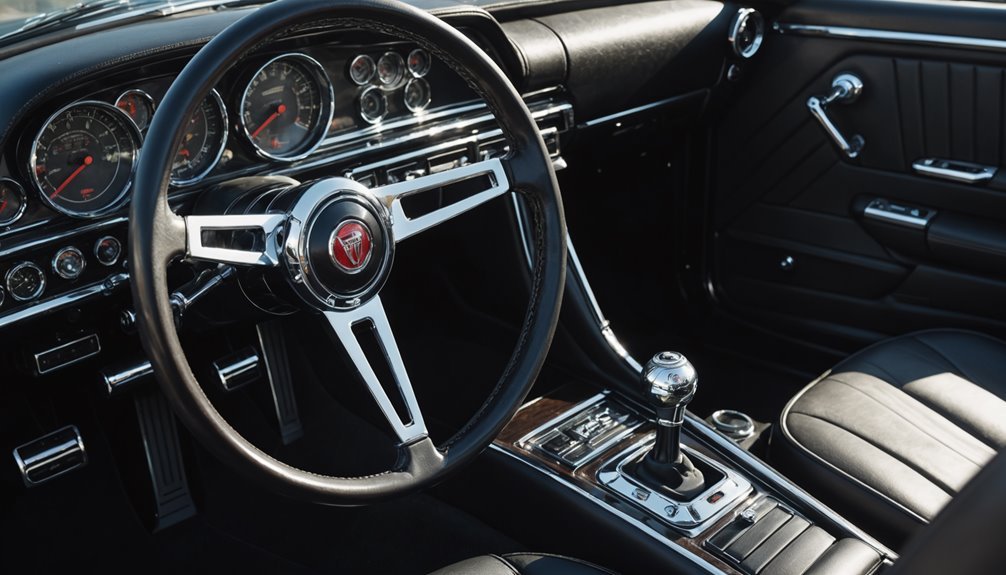
Driving a manual car can seem intimidating at first, but with a bit of practice, you’ll find it rewarding. You’ll need to get comfortable with the clutch, the gears, and how they work together. Understanding the basics is essential, but there’s more to it than just starting the engine. Let’s explore the nuances of smooth gear changes and tackle the challenges you might face on the road.
Key Takeaways
- Familiarize yourself with the gear layout and understand the role of the clutch in engaging and disengaging the engine from the transmission.
- Start the car by fully pressing the clutch, ensuring it’s in first gear, and gently releasing the clutch while applying accelerator at the biting point.
- Practice smooth gear changes by fully depressing the clutch, matching engine speed, and revving slightly for higher gears.
- Slow down and downshift before turns, using brakes in conjunction with the clutch to maintain control.
- Stay calm if you stall, shift to neutral, restart the engine, and check surroundings before re-engaging the clutch to move again.
Understanding the Manual Transmission System
When you learn to drive a manual car, understanding the transmission system is essential, as it directly affects how the vehicle responds to your inputs.
A manual transmission consists of several key components: gears, a shifter, and a clutch. The gears allow you to adjust your speed and power according to driving conditions. When you shift, you’re choosing the right gear that matches your speed and engine power.
The shifter, usually located between the front seats, enables you to select these gears, while the clutch pedal connects and disconnects the engine from the wheels. This lets you change gears smoothly without stalling.
Being aware of how the transmission system works will help you anticipate when to shift for peak performance. It’ll also allow you to enjoy the full driving experience, making it more engaging and rewarding as you gain confidence on the road.how-to-jump-car
Familiarizing Yourself With the Clutch
To master driving a manual car, getting comfortable with the clutch is essential, as it plays an important role in shifting gears smoothly. The clutch pedal, located to the left of the brake pedal, disengages the engine from the transmission, allowing you to change gears without damaging the system.
Here are some key points to help you familiarize yourself with the clutch:
- Feel the Clutch Engage: Press the clutch pedal down and slowly release it to notice when the clutch engages.
- Practice the “Bit Point: Find the point where the clutch starts to bite. This will help you feel when the car is ready to move.
- Avoid Riding the Clutch: Keep your foot off the clutch unless you’re shifting gears to prevent wear.
- Controlled Releases: Practice releasing the clutch slowly in a safe area to gain confidence.
Understanding these basics will make your manual driving experience smoother.
Starting the Engine and Engaging the Gear
With a solid understanding of the clutch, you’re ready to start the engine and engage the gear.
Begin by sitting comfortably in the driver’s seat. Insert the key into the ignition and press the brake pedal with your right foot. Depress the clutch fully with your left foot. Turn the ignition key to start the engine, listening for that reassuring roar.how-long-does-a-car-battery-last
Once the engine’s running, keep the clutch pressed down and move the gear stick into first gear. Pay attention to the gear pattern on the knob, ensuring it’s in the right position.
Release the handbrake, but don’t rush things. Gradually release the clutch while slowly pressing the accelerator with your right foot. You’ll feel the car wanting to move forward; just find the biting point where the engine and transmission connect before easing off the clutch completely.
You’re now on your way to mastering manual driving!
Mastering the Art of Smooth Gear Changes
Though mastering smooth gear changes takes practice, you’ll quickly find it essential for a responsive driving experience. For seamless shifts, timing is everything.
Focus on the relationship between the clutch and accelerator pedals; they work together to create a harmonious drive.
Here are some tips to help you achieve smooth gear changes:
- Depress the clutch fully: Always press the clutch pedal all the way down before shifting to avoid grinding gears.
- Match engine speed: Rev the engine slightly as you shift to higher gears for a smoother exchange.
- Practice shifting: Regularly practice shifting at varying speeds to build muscle memory and confidence.
- Listen to your car: Pay attention to your engine’s sound and feel—this’ll give you cues for when to shift.
Navigating Hills and Inclines
Traversing hills and inclines can be challenging, but mastering this skill will boost your confidence as a manual driver. When approaching an uphill slope, shift into a lower gear to increase engine power. This’ll help keep your momentum steady.how-much-does-it-cost-to-wrap-your-car
As you climb, gently release the clutch while gradually pressing the accelerator. If you feel your car slowing, give it a little more gas.
On steep descents, downshift to maintain control and avoid excessive speed. Steer with precision, and don’t ride the brakes too hard; instead, use engine braking to assist.
Practice engaging your handbrake when stopping on a hill to prevent rolling back. Once you’re set, release the clutch slowly and give the car some gas before you let off the handbrake.
Remember to keep your focus ahead; this’ll help you anticipate any changes in the incline. With practice, you’ll handle hills like a pro!
Handling Stalling and Recovery Techniques
Stalling can happen to anyone learning to drive a manual car, but knowing how to recover quickly can save you from a frustrating situation.
If you find yourself stalled, don’t panic. Here’s what you should do:
- Stay Calm: Take a deep breath and focus on your surroundings.
- Shift to Neutral: Press the clutch and shift the gear lever into neutral.
- Restart the Engine: Turn the key or push the button to start your engine again.
- Listen for Traffic: Always check mirrors for traffic before moving again.
Once you’ve restarted the engine, re-engage the clutch, shift to first gear, and slowly release it while applying the gas gently.
If you feel the engine starts to stall again, you can adjust by adding more gas or easing off the clutch a bit faster.
With practice, you’ll handle stalls like a pro!how-much-is-a-car-battery
Practicing Downshifting and Engine Braking
Mastering downshifting and engine braking can considerably enhance your control over a manual car.
To practice downshifting, start by slowing down. As you reduce speed, press the clutch pedal to the floor and shift down to a lower gear. You’ll feel the engine’s RPMs increase; match those RPMs while releasing the clutch to guarantee a smooth shift. Pay attention to the car’s response—this helps you learn timing and coordination.
For engine braking, let off the accelerator and downshift simultaneously. By doing this, you utilize the engine’s resistance to slow down, reducing wear on your brakes.
It’s essential to practice these techniques in a safe environment, like an empty parking lot, where you can focus on your gear changes and throttle control without distractions.
Over time, both downshifting and engine braking will become second nature, giving you better handling and a more engaging driving experience.
Driving in Different Conditions
Driving a manual car means adapting your skills to different conditions, whether you’re guiding through city traffic, cruising on the highway, or tackling winding country roads. Each environment presents its own set of challenges, but mastering them is key to becoming a confident driver.
- City Driving: Stay alert for pedestrians and traffic signals; use shorter gears for quick acceleration.
- Highway Driving: Shift to higher gears to maintain speed and fuel efficiency; anticipate merging and lane changes.
- Slippery Conditions: Use gentle inputs on the pedals to maintain control; downshift gradually to avoid skidding.
- Hilly Terrain: Shift down before ascending steep hills; use engine braking when going downhill to control speed.how-to-recharge-car-battery
Tips for Building Confidence Behind the Wheel
While it might feel intimidating at first, building confidence behind the wheel of a manual car comes with practice and patience.
Start by finding a quiet area to practice, away from heavy traffic. This lets you focus on your clutch control and gear shifting without pressure.
Get comfortable with the car’s response by practicing starting and stopping on different inclines.
Pay attention to the sounds of the engine; they’ll help you gauge when to shift gears.
Don’t hesitate to ask for feedback from experienced drivers who can offer valuable tips.
Also, try to drive regularly; the more you practice, the more natural it’ll feel.
Lastly, stay calm during tricky moments. If you stall or make a mistake, take a deep breath, learn from it, and keep going.
With time, you’ll find that your confidence will grow, making manual driving an enjoyable experience.
Frequently Asked Questions
How Long Does It Take to Learn Manual Driving?
It typically takes you about 5 to 10 hours of practice to learn manual driving basics.
You’ll need time to get comfortable with the clutch, gears, and overall timing. Your previous experience with driving may also affect how quickly you pick it up.
Most people start feeling confident after a week or so of daily practice.
Just remember, everyone learns at their own pace, so don’t rush it—focus on mastering the skills.
Can I Drive a Manual Car With a Disabled Hand?
Yes, you can drive a manual car with a disabled hand, but it depends on the extent of your disability and the modifications available.
With the right equipment, like hand controls or custom steering setups, you can manage the gear shifting and clutch operation effectively.
It’s crucial to consult with a specialist or an occupational therapist to find suitable adaptations.
Driving with modifications can give you independence and a sense of freedom.
What Are the Benefits of Driving a Manual Car?
Driving a manual car offers several benefits. You gain better control over the vehicle, improving your overall driving experience.
It often enhances fuel efficiency, as you can shift gears based on your needs. You’ll also appreciate the thrill of driving, as manuals provide a more engaging experience than automatics.
Plus, knowing how to drive one can be a valuable skill, especially in situations where manual transmission is preferred or required.
Are There Specific Maintenance Tips for Manual Transmissions?
Yes, there are specific maintenance tips for manual transmissions.
First, check and change the transmission fluid regularly to guarantee smooth shifting.
Keep an eye on the clutch wear and adjust or replace it as needed.
Also, habitually engage the clutch properly to avoid unnecessary strain.
Finally, pay attention to unusual noises or feelings while driving; addressing these early can prevent more significant problems down the road.
Regular inspections will keep your transmission healthy.
How Does Towing Affect Driving a Manual Vehicle?
Towing puts extra strain on your manual vehicle, affecting its performance and handling.
You’ll need to shift gears more carefully, especially when starting or climbing hills to avoid stalling.
It’s essential to downshift to a lower gear to maintain control and prevent overheating.
You should also be mindful of your braking distance, as it increases when towing.
Always check your vehicle’s towing capacity to guarantee safety and avoid excessive wear.
Conclusion
Now that you’ve got the basics of driving a manual car down, it’s time to put your skills to the test. Keep practicing those smooth gear changes, mastering starts on hills, and handling different driving conditions. The more you drive, the more confident you’ll become. Remember, everyone stalls occasionally—it’s all part of the learning process! So, buckle up, enjoy the ride, and embrace the freedom that comes with mastering a manual transmission.