If your car’s A/C isn’t cooling as it should, you might need to add Freon. It’s a straightforward process, but you’ll want to make sure you have the right tools and understand the system. You don’t want to overcharge or damage anything. Let’s break down the steps to get your A/C blowing cold air again, starting with what you’ll need and the precautions you should take before you begin.
Key Takeaways
- Gather tools: A/C refrigerant can, manifold gauge, safety goggles, and gloves before starting the process.
- Run the engine with A/C on maximum to prepare the system for Freon addition.
- Locate the low-pressure service port and remove the cap to begin adding Freon.
- Attach the Freon can hose to the low-pressure port and add Freon in short bursts.
- Monitor the pressure gauge closely, and check A/C performance after adding Freon.
Understanding A/C Systems and Freon
Understanding the A/C system in your car is essential, especially when it comes to adding Freon. Your vehicle’s A/C system plays an important role in cooling down the cabin, using refrigerant, commonly known as Freon, to absorb heat from the air.how-to-recharge-car-battery
When the system isn’t cooling efficiently, it often means you’re low on refrigerant.
Freon circulates through the A/C system, changing from gas to liquid to remove heat. Once it reaches the evaporator, it evaporates back into gas, absorbing heat from inside your car.
If you notice poor cooling or hear unusual sounds, it’s time to check the refrigerant levels.
Tools You Will Need for the Job
Before you add Freon to your car’s A/C system, it’s important to gather the right tools. Having the proper equipment will make the process smoother and more efficient. Here’s a quick list of what you’ll need:
| Tool | Purpose | Additional Notes |
|---|---|---|
| A/C refrigerant can | Supplies the Freon you’ll be adding | Make sure it’s the right type for your car |
| A/C manifold gauge | Measures pressure in the A/C system | Essential for accurate readings |
| Safety glasses | Protects your eyes during the process | Always wear them for safety |
With these tools in hand, you’ll be better equipped to add Freon to your car’s A/C system effectively. Make sure everything is in place before you engage in the process for the best results.
Safety Precautions Before Starting
Guaranteeing your safety is vital when adding Freon to your car’s A/C system, especially since you’re handling potentially hazardous materials. Start by wearing safety goggles and gloves to protect yourself from accidental exposure. Freon can cause skin irritation and harm to your eyes, so don’t skip this step.
Make sure you’re working in a well-ventilated area to prevent inhaling harmful fumes.how-to-remove-tint-from-car-window
Check your car for leaks or any visible damage to the A/C system before you begin. It’s essential to verify that everything is in good working condition to avoid further complications.
Keep a fire extinguisher nearby, just in case, since refrigerants can be flammable. Finally, avoid smoking or using any open flames while you work.
Locating the A/C Service Port
Now that you’re prepared and have taken the necessary safety precautions, it’s time to locate the A/C service port. Your vehicle’s A/C system typically has two service ports: a high-pressure port and a low-pressure port. You’ll want to find the low-pressure port for adding Freon.
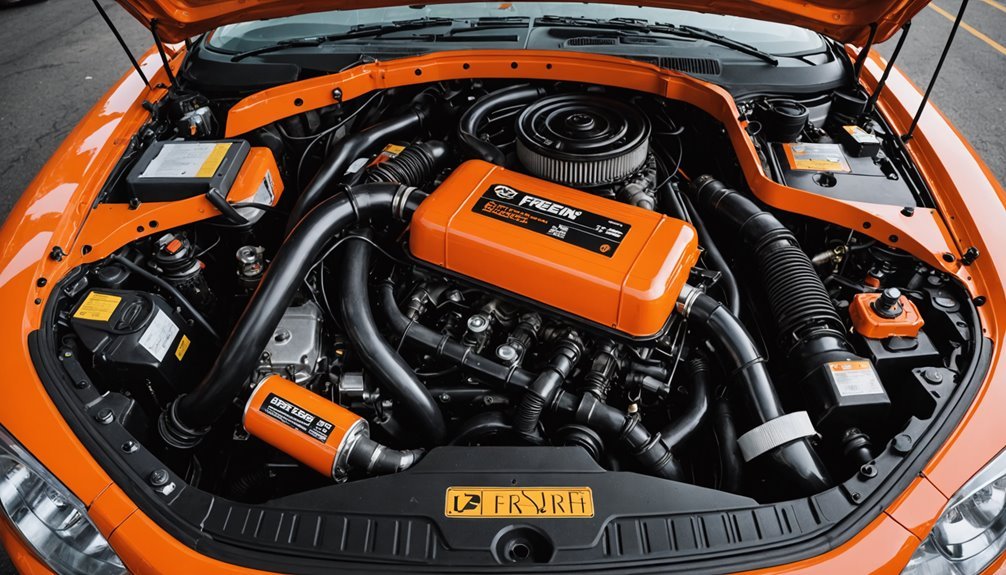
Open the hood and look for the A/C compressor, which is usually near the front of the engine. Follow the larger aluminum or rubber line from the compressor; this should lead you to the low-pressure port. It’s often capped with a plastic cover, usually marked with an “Lfor low pressure.
To verify you’re at the right port, double-check for the size; the low-pressure port has a larger diameter fitting compared to the high-pressure port.
Take your time, and once you’ve found it, you’ll be ready to move on to recharging your A/C system.
How to Recharge Your A/C With Freon
Once you’ve located the low-pressure service port, you can start recharging your A/C system with Freon.
First, make sure the engine is running and the A/C is set to its highest setting. Remove the cap from the low-pressure port.how-to-remove-tinted-glass-car-windows
Next, take the can of Freon and attach the supplied hose to the port. It’s important to press the trigger gently; start by adding Freon in short bursts, allowing the system to absorb it. Keep an eye on the pressure gauge—if it goes into the red zone, stop immediately.
You can shake the can occasionally to help the fluid flow.
After you’ve added the recommended amount of Freon, remove the hose and replace the service port cap.
Finally, check the A/C’s performance. If the air feels cooler, you’ve done it right! Enjoy your refreshed ride!
Checking for Leaks and Proper Functioning
As you enjoy the cool air from your A/C, it’s crucial to keep an eye out for any leaks that could compromise its performance.
Start by visually inspecting the components, like hoses and connections, for any signs of moisture or damage. If you spot any suspicious spots, use a UV leak detection kit that comes with dye and a UV flashlight to pinpoint the source.
Another method to check for leaks is by listening for hissing sounds; they often indicate escaping refrigerant.
After ensuring there are no visible leaks, test the A/C system. Turn it on and let it run for a few minutes. If the air isn’t cold enough or fluctuates, this might signal a problem.
Additionally, keep an eye on the pressure gauge if you’ve added Freon recently—consistent pressure is crucial for peak functioning.how-to-jump-car
Regularly checking these aspects can help maintain the efficiency of your car’s A/C.
When to Seek Professional Help
When should you consider calling in a professional for your car’s A/C issues?
If your A/C isn’t cooling effectively even after you’ve added Freon, it’s a sign of a deeper problem. Unusual noises, like hissing or clunking, suggest you might’ve a failing component that needs expert attention.
Additionally, if you notice any refrigerant leaks, don’t hesitate to seek help—handling refrigerants improperly can be dangerous.
If you’re unsure about identifying the issue or lack the necessary tools, it’s wise to leave it to the pros.
You should also consult a mechanic if your A/C system requires frequent recharges, as this indicates a persistent leak or malfunction.
Finally, if any error codes pop up on your dashboard related to the A/C, it’s time to get professional diagnostics.
Trusting a qualified technician guarantees your car’s cooling system is safe and running efficiently.
Frequently Asked Questions
Can I Use Regular Refrigerant Instead of Freon?
You can’t just use regular refrigerant instead of Freon.
Freon refers specifically to a brand of refrigerants made for certain systems. Your car’s AC system needs the right type of refrigerant, which may be different from common home refrigerants.
Using the wrong one can damage the system or cause it to work ineffectively.
Check your vehicle’s manual for the correct refrigerant specification to guarantee peak performance and avoid costly repairs.
How Often Should I Recharge My Car’s A/C?
You should recharge your car’s A/C approximately every one to two years, depending on usage and conditions.
If you notice decreased cooling or hear unusual noises, it’s time to check the system.
Regular maintenance guarantees peak performance and can help you avoid costly repairs.
Always consult your vehicle’s manual for specific recommendations, as some models may require more frequent servicing to keep the A/C running efficiently.
What Are the Signs of Low Freon Levels?
If you’re noticing weak airflow from your A/C vents or warm air instead of cold, you might’ve low Freon levels.
You may also hear a hissing sound when the A/C is running, which could indicate a refrigerant leak.
Additionally, check for ice buildup on the A/C evaporator or condensation around the system.
If you see any of these signs, it’s time to investigate further or seek professional help.
Will Adding Freon Fix My A/C Problems?
Adding Freon might fix your A/C problems if low refrigerant is the issue.
However, it won’t solve problems caused by leaks, faulty components, or electrical issues. Before you add Freon, check for any obvious leaks or signs of damage.
If you find any, it’s best to fix those first. If you’re unsure about the cause of the problem, consulting a professional mechanic can help you avoid further issues.
Is It Legal to Buy Freon for Personal Use?
Yes, it’s legal to buy Freon for personal use, but regulations vary by state. Some areas restrict sales to licensed technicians due to environmental concerns.
When purchasing, make sure you check local laws and consider safety when handling refrigerants.
You’ll also want to be aware of any proper disposal methods required for used Freon, as mishandling can lead to penalties.
Always stay informed to avoid potential legal issues.
Conclusion
Now that you know how to put Freon in your car’s A/C system, you can keep your ride cool and comfortable. Remember to always check for leaks and monitor the pressure to avoid any issues. If you ever feel unsure or encounter persistent problems, don’t hesitate to call in a professional. Keeping your A/C system well-maintained will guarantee you stay fresh and relaxed during those hot days on the road.