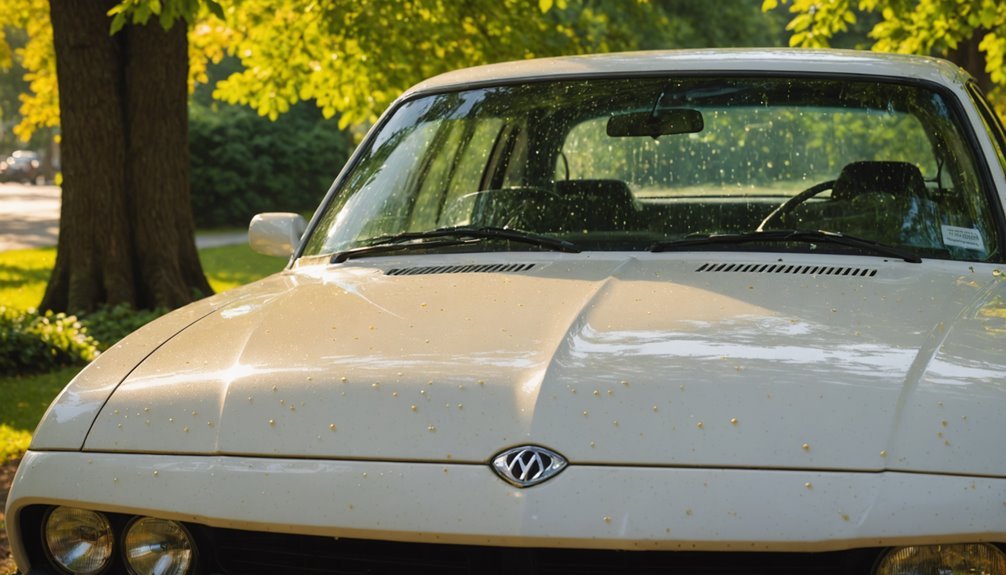
Tree sap can be a frustrating nuisance for car owners, leaving unsightly stains that can damage your paint. Fortunately, you don’t have to live with those marks. With the right supplies and methods, removing tree sap is manageable. In the following sections, you’ll discover different techniques to tackle this sticky issue and maintain your car’s appearance. Let’s explore the most effective ways to get that sap off your vehicle.
Key Takeaways
- Use rubbing alcohol or hand sanitizer on a microfiber cloth to break down sap effectively.
- Spray a mixture of equal parts vinegar and water on sap and let it sit before rubbing.
- Utilize commercial sap removers like Goo Gone or Turtle Wax for tougher stains.
- Always test any cleaner on a small, inconspicuous area to avoid damaging the paint.
- Prevent future sap issues by parking away from trees and applying a quality wax regularly.
Understanding Tree Sap and Its Effects on Car Paint
While enjoying the shade of your favorite tree, you mightn’t realize that tree sap can cause significant damage to your car’s paint. This sticky substance isn’t just a nuisance; it bonds to the paint, creating a tough film that’s hard to remove. If you leave it untreated, sap can cause discoloration, dullness, or even clear coat damage over time.how-to-jump-car
Different types of trees produce varying sap compositions, with some being more damaging than others. For instance, pine sap is particularly notorious for sticking to surfaces and hardening.
When exposed to sunlight and heat, tree sap becomes even more challenging to clean off, making it essential to act quickly.
Neglecting to address sap can lead to costly repairs or a decrease in your car’s resale value. Consequently, understanding tree sap’s effects on car paint helps you protect your vehicle and maintain its appearance.
Supplies You’ll Need for Removal
To effectively tackle the sticky problem of tree sap, you’ll need a few specific supplies to guarantee a successful removal.
Start with rubbing alcohol or hand sanitizer, as these contain ingredients that can break down sap effectively. You’ll also want some microfiber cloths, which are gentle on your car’s finish and help prevent scratches during the cleaning process.
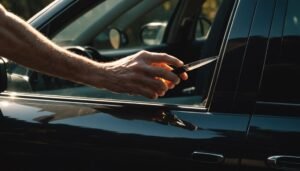
Another useful tool is a plastic scraper or an old credit card. This can assist in gently lifting the sap without damaging the paint.
Don’t forget some warm, soapy water for a thorough finish once the sap is removed. An optional supply is a wax or sealant, which you can apply afterward to protect your car’s surface.
Gather these supplies before starting your removal process. With the right tools on hand, you’ll find tackling tree sap is much easier and will keep your car looking great.how-long-does-a-car-battery-last
Method 1: Using Rubbing Alcohol
One effective method for removing tree sap involves using rubbing alcohol, which breaks down the sticky substance quickly.
Start by gathering your supplies: rubbing alcohol, a clean microfiber cloth, and some warm water. Make sure to park your car in a shaded area to prevent the alcohol from evaporating too fast.
Dampen your cloth with rubbing alcohol and gently rub it onto the sap-stained area. You should see the sap start to dissolve almost immediately. If needed, apply a bit more alcohol and continue rubbing in a circular motion.
Once the sap’s gone, use a clean cloth with warm water to wipe away any residual alcohol.
Finally, dry the area with another microfiber cloth to prevent streaks. This method not only clears the sap but also helps protect your car’s paint.
Regularly check your vehicle for tree sap to keep it in pristine condition!
Method 2: Applying Vinegar
If you’re looking for a natural alternative to remove tree sap from your car, consider using vinegar. This common kitchen staple is effective and safe for your vehicle’s surface.
Start by mixing equal parts vinegar and water in a spray bottle. Shake it well to guarantee it’s thoroughly combined.
Next, spray the vinegar solution directly onto the sap spots and let it sit for a few minutes. This helps to break down the sticky residue.how-to-recharge-car-battery
Afterward, take a microfiber cloth and gently rub the area in a circular motion. You should notice the sap starting to lift. If needed, repeat the spray and rub process until all the sap is gone.
Once you’ve removed the sap, rinse the area with water to eliminate any vinegar residue. Finally, dry the spot with a clean cloth to prevent water spots. This simple method will leave your car looking great!
Method 3: Utilizing Commercial Cleaners
While vinegar is a great natural option, sometimes you need a more powerful solution for stubborn tree sap. Commercial cleaners can effectively tackle this issue, saving you time and effort. Look for products designed for sap and adhesive removal, as they usually contain solvents that break down the sticky substance.
Here’s a quick comparison of popular commercial cleaners:
| Cleaner Name | Effectiveness |
|---|---|
| Goo Gone | Highly effective |
| 3M Adhesive Remover | Fast-acting |
| Turtle Wax Sap Removal | Gentle on surfaces |
To use these cleaners, apply a small amount directly to a clean cloth and gently rub the sap until it lifts away. Always test the cleaner on an inconspicuous area first to guarantee it won’t damage your car’s paint. With a bit of patience, you’ll have your vehicle looking good as new!how-to-remove-tint-from-car-window
Method 4: Taking Advantage of Hot Water
When dealing with tree sap, hot water can be a surprisingly effective solution that helps soften the sticky residue. Start by boiling some water and letting it cool a bit, so it’s hot but not scalding.
Then, grab a clean microfiber cloth or a sponge. Dampen the cloth in the hot water, ensuring it’s thoroughly soaked but not dripping.
Gently press the cloth onto the sap for several moments to let the heat penetrate the sticky area. This will make it easier to lift the sap off your car’s surface. Wipe the sap away with a soft motion, being careful not to scratch the paint.
If any sap remains, repeat the process until it’s completely removed. After you’ve finished, rinse the area with clean water to eliminate any residue from the hot water.
Finally, dry the surface with a soft, dry cloth to restore your car’s shine.
Preventing Future Tree Sap Issues
After effectively removing tree sap, it’s wise to take steps to prevent future issues.
Here are three proactive strategies you can implement:
- Park Wisely: Choose parking spots away from trees, especially those known for resinous sap. If possible, opt for a garage or a carport to shield your vehicle.
- Use a Protective Coating: Apply a high-quality wax or paint sealant regularly. This not only enhances your car’s shine but also creates a barrier that makes it harder for sap to cling to the surface.
- Regular Washing: Keep your car clean by washing it regularly. Frequent washes can help remove any sap that might begin to accumulate and prevent it from hardening.
Maintaining Your Car’s Paint After Cleaning
To keep your car’s paint looking pristine, it’s essential to follow a few simple maintenance steps right after cleaning.how-to-fix-scratches-on-car
First, apply a high-quality wax or sealant. This protective layer shields your paint from the elements, UV rays, and contaminants. Look for products specifically designed for automotive use to guarantee longevity.
Next, regularly wash your car to remove dirt and debris. Use a pH-balanced car soap and a soft sponge or microfiber mitt to avoid scratches. Rinse thoroughly and dry with a clean microfiber towel to prevent water spots.
Don’t forget to inspect your car for signs of damage. Address any scratches or chips immediately to prevent rust.
Finally, park in shaded areas or use a car cover when possible. These actions will help maintain your car’s paint, keeping it shiny and protected from tree sap and other harmful substances.
Frequently Asked Questions
Will Tree Sap Damage My Car’s Paint if Not Removed Quickly?
Yes, tree sap can damage your car’s paint if you don’t remove it quickly.
The sap can harden and bond to the surface, leading to discoloration or even etching in the paint.
It’s best to address it as soon as possible to prevent long-term damage.
Use appropriate cleaning methods to keep your car looking its best and protect its finish.
A little care now can save you bigger headaches later!
Can I Use Nail Polish Remover to Remove Tree Sap?
You can use nail polish remover to remove tree sap, but you need to be cautious.
It contains acetone, which can damage your car’s paint if used improperly. Test it on a small, inconspicuous area first to see how your paint reacts.
If it doesn’t harm the finish, gently dab a small amount onto the sap, letting it sit briefly before wiping it away with a clean cloth.how-to-disconnect-car-battery
Always wash and wax the area afterward.
Is Winter a Safer Time for Tree Sap Removal?
Yes, winter can be a safer time for tree sap removal. Colder temperatures often make sap less sticky and easier to remove.
Plus, if the sap’s hardened due to the chilly weather, you might find it simpler to scrape off.
Just be cautious; if you use hot water to melt the sap, it can freeze quickly, making it tougher to handle.
Always test any cleaning method in a small, inconspicuous area first.
How Can I Protect My Car From Tree Sap in Parking Lots?
To protect your car from tree sap in parking lots, you should always park away from trees whenever possible.
Consider using a car cover for extra protection. If a tree’s shade seems tempting, look for alternative parking spots or areas with less vegetation.
Regularly wash and wax your car as this creates a barrier, making sap easier to remove.
Being proactive helps keep your vehicle looking pristine and minimizes cleaning efforts later on.
Are There Any Home Remedies for Tree Sap Removal?
Yes, there are several home remedies for removing tree sap.
You can try using rubbing alcohol or hand sanitizer; just apply a small amount to a soft cloth and gently rub the sap.
Another option is to use vegetable oil or peanut butter, which can help break down the sap.
Afterward, wash the area with soap and water to remove any residue.
Always test a small area first to avoid damaging your car’s finish.how-much-to-paint-a-car
Conclusion
Removing tree sap from your car doesn’t have to be a hassle. With the right supplies and methods, you can effectively get rid of those sticky stains without damaging your paint. Whether you choose rubbing alcohol, vinegar, or a commercial cleaner, just remember to follow up with soapy water to clean the area. By taking these steps, you’ll keep your car looking great and prevent future sap issues. Enjoy driving your clean, shiny ride!